Why a Family Packing Checklist Changes Everything
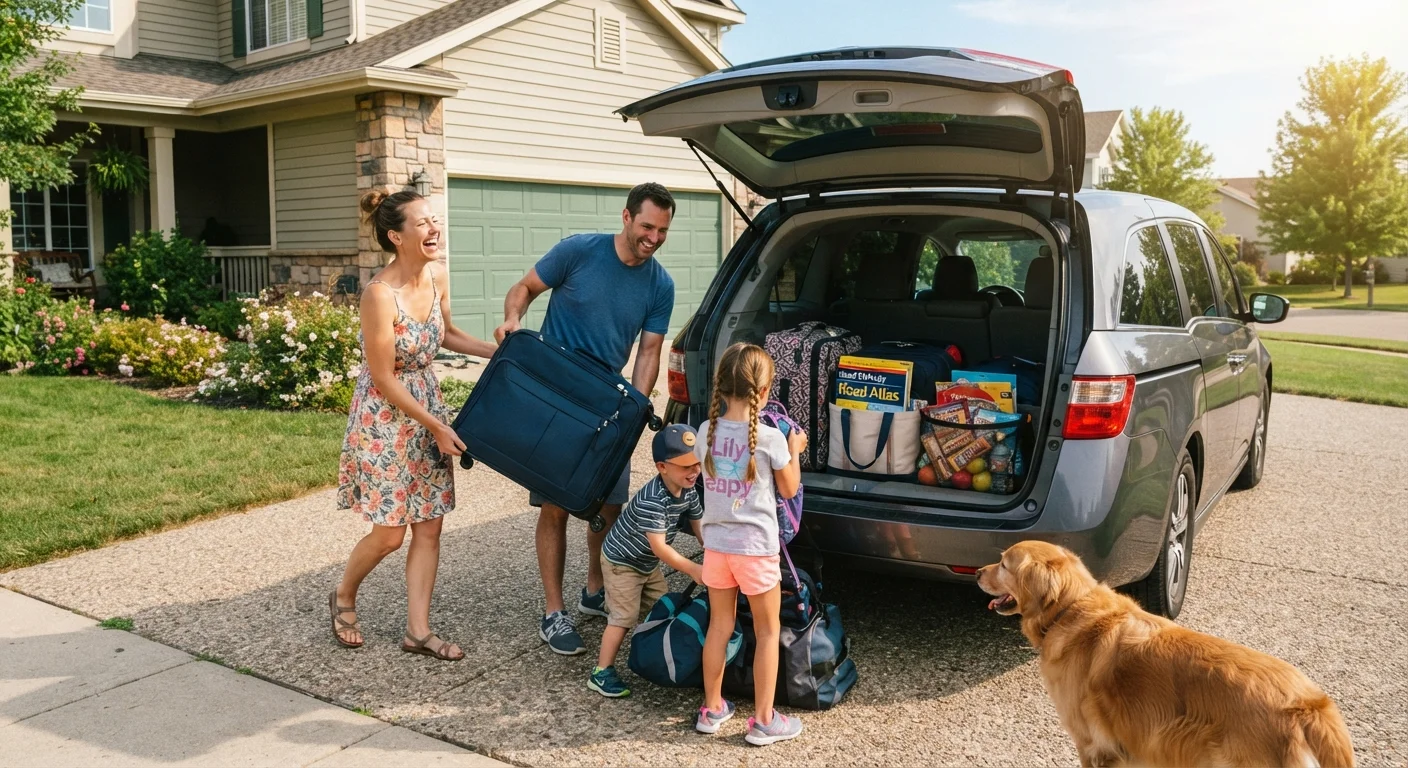
Packing for a family trip isn't just packing for yourself multiplied by the number of kids - it's an entirely different skill set. Children need specific items adults don't, forget things they'll desperately want, and generate more laundry per day than any adult traveler. The good news: a well-structured checklist eliminates that pre-departure panic and keeps your bags manageable.
Whether you're heading to a national park, a beach town, or a city break, the same core categories apply. This checklist is designed for families traveling with children of various ages - from toddlers to tweens - on trips ranging from weekend getaways to week-long US road trips. For tips on keeping the overall experience low-stress, see our guide to stress-free weekend trips with kids.
If you're traveling without children or planning a quick solo overnight, our two-night trip packing checklist offers a streamlined baseline you can adapt.
Don't Pack Medications Without Checking First
Always consult your child's pediatrician before adding any over-the-counter medications - including motion sickness remedies or antihistamines - to your travel kit. Dosing varies significantly by age and weight, and some children have contraindications that aren't immediately obvious. Never substitute adult formulations for child-appropriate ones.
Overpacking Creates Real Travel Stress
Hauling excess luggage through airports, theme parks, or national park trails quickly drains the fun from a family trip. A bag that's too heavy for a parent to carry solo - while also managing kids - is a liability. Aim to finish packing and then remove two items per person before zipping up.
What You'll Need Before You Start Packing
Before pulling a single item off a shelf, get your tools in order. The right containers and organizers make the difference between a bag that works and one that defeats you at 5 a.m. in a hotel room.
Lightweight rolling carry-on or kids' backpack
Keeps each child's belongings organized and manageable without exceeding airline size limits or weighing everyone down.
Document organizer pouch
Stores passports, IDs, insurance cards, and reservations in one accessible location so nothing gets misplaced mid-trip.
Compact first-aid kit
Provides immediate access to bandages, antiseptic, and fever management tools without taking up significant bag space.
Tablet or device with downloaded content
Delivers hours of entertainment during transit without depending on spotty Wi-Fi or cellular data.
Portable phone/device charger
Keeps devices powered during long travel days when power outlets may be unavailable.
Reusable water bottles (one per child)
Ensures kids stay hydrated throughout transit and excursions without repeatedly purchasing single-use bottles.
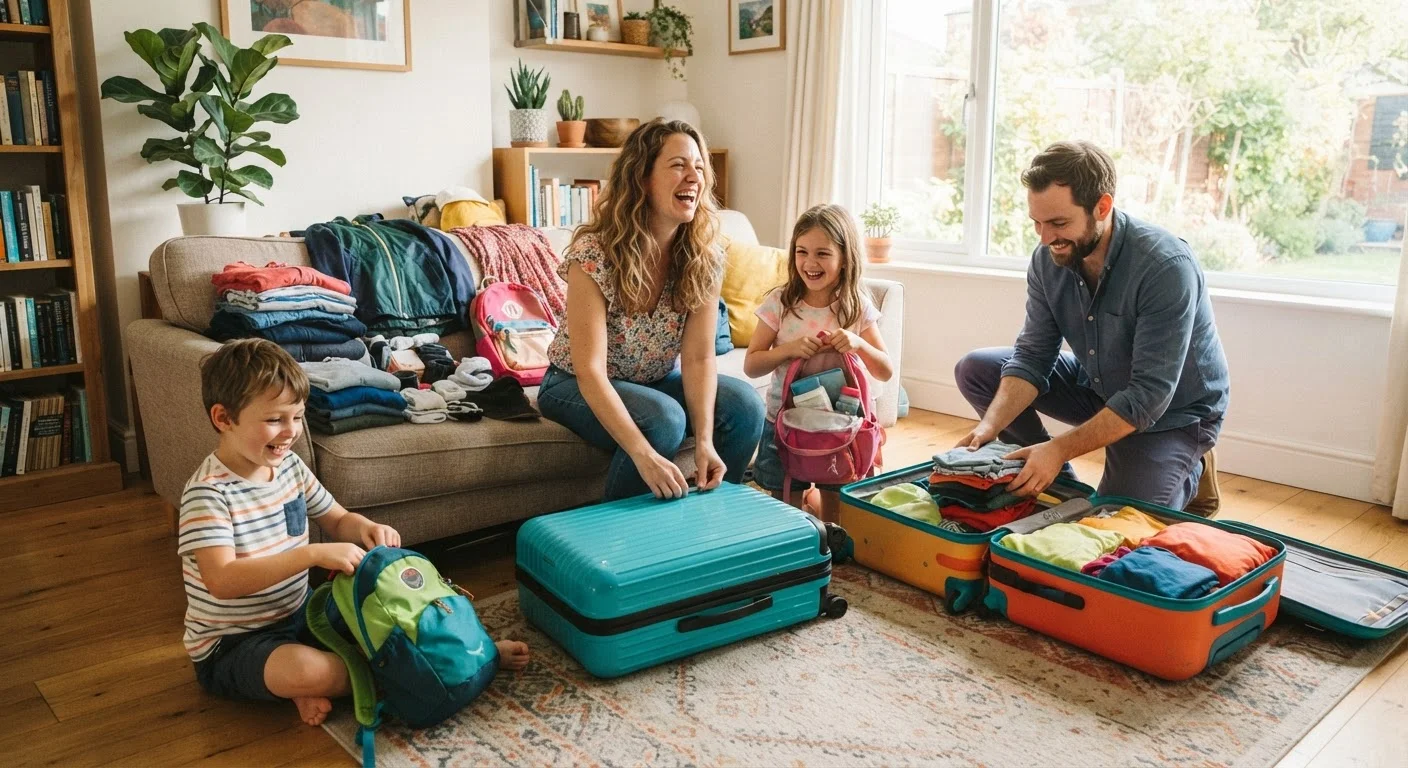
Once your tools are ready, work through the checklist category by category - don't try to pack everything at once. Spreading it across two evenings before departure means you'll catch gaps rather than discover them at the airport.
The Family Packing Checklist
Use this checklist as a physical or digital reference on packing day. Items marked must are non-negotiable; should items are strongly recommended for most family trips; nice-to-have items add comfort but won't derail the trip if skipped.
Clothing & Wearables
Documents & Identification
Health, Safety & First Aid
Snacks & Hydration
Entertainment & Comfort
Gear & Logistics
Keep Critical Items in Your Carry-On
Medications, documents, one change of clothes per child, and any comfort items essential for sleep should always travel in your carry-on or personal item - never in checked luggage. Checked bags are occasionally delayed or misdirected, and being stranded without these essentials can derail an entire trip before it starts.
Putting It All Together: The Final Check
Once every bag is packed, do one final walkthrough using the checklist. Lay everything out by category and confirm nothing critical is sitting on the kitchen counter. Then do what many experienced family travelers swear by: remove at least two non-essential items per person. Overpacking is almost always more disruptive than underpacking.
For families planning a longer drive, our family road trip budget checklist pairs well with this list - covering fuel planning, food prep, and emergency funds so you're not caught off guard financially. And if this trip is part of a bigger multi-stop adventure, planning a multi-stop US family journey walks you through the logistics of keeping kids engaged across longer drives.
First-time traveling parents with toddlers will also find practical grounding in what new parents should know about travelling with toddlers before the bags even come out of the closet.
This article is for general informational and planning purposes only. Consult your child's healthcare provider regarding any medications, health conditions, or safety considerations specific to your family before traveling.