Why Solo Weekend Trips Are Worth It
Heading out alone for the first time feels like a big deal - and in a good way. A solo weekend trip is one of the simplest forms of intentional travel: just you, a destination, and a couple of days with no schedule to negotiate. For homeowners and working adults who rarely get uninterrupted time, that's genuinely valuable.
The goal here isn't a grand adventure. It's a low-stakes, achievable reset. Two days away on your own can give you a clearer head, renewed perspective, and - if you plan it well - a new sense of confidence about traveling independently. Unlike a family road trip, the solo format means every decision is yours alone, which is both freeing and surprisingly straightforward once you try it.
Start Small, Build Confidence
Your first solo trip doesn't need to be ambitious to be meaningful. A single night in a town an hour away counts - and it teaches you more about your own travel preferences than any amount of research. You can always scale up once you've done it once.
Choosing the Right Destination for Your First Solo Trip
Your first solo trip isn't the moment to book a cross-country flight to somewhere unfamiliar. Start closer to home - ideally within two to three hours by car or train. Shorter distances reduce costs significantly, keep logistics simple, and mean a minor hiccup (a slow check-in, a closed attraction) doesn't wreck the whole trip.
Think about the type of experience you actually want. A walkable small city with good food and a few museums is very different from a cabin in the woods or a coastal state park. If you're not sure which format suits you, our plain-language getaway types reference breaks down the main categories clearly.
Prioritize destinations with reliable cell service, accessible lodging options, and a reasonable amount of foot traffic - especially for a first trip. You can go off the grid later, once you've built your confidence.
Anchor activity
One planned, time-specific event or experience you build your day around - everything else stays flexible.
Itinerary
A written outline of your travel plans, including where you're staying, how you're getting there, and what you intend to do.
Incidentals buffer
A small amount of extra money set aside in your travel budget for unexpected minor expenses like parking, tips, or a forgotten item.
Walkable destination
A location where you can reach most attractions, restaurants, and accommodations on foot without needing a car or ride.
Off-grid travel
Visiting areas with limited or no cell service, often in remote nature settings - generally better suited to more experienced solo travelers.
Budgeting Realistically Before You Leave
Money surprises are the most common source of post-trip regret. The fix is simple: write out your anticipated costs before you book anything. That means lodging, transportation (gas, tolls, parking, or transit fare), two to three meals per day, one or two paid activities, and a small buffer for incidentals.
A modest domestic weekend trip - lodging included - can come in under $300 if you choose a destination thoughtfully and keep meals practical. It can also balloon past $600 if you don't track it. Neither outcome is inherently wrong, but knowing your ceiling before you leave keeps you in control. For a broader framework on tracking spending, our home budget guide offers transferable principles.
Also: book your accommodation in advance. Walking in without a reservation is rarely cheaper and often results in settling for something that doesn't suit you. For more on what separates smooth short trips from stressful ones, see why spontaneous getaways are harder than they look.
Safety Basics Every First-Timer Should Know
Solo travel safety is mostly about consistent habits rather than dramatic precautions. Before you leave, share your itinerary - lodging name, general plans, and return time - with someone you trust at home. Check in with them when you arrive. That one step alone closes most of the gap people worry about.
Keep a digital copy of your ID, insurance card, and one emergency contact stored somewhere accessible on your phone. Carry a small amount of cash alongside your card - helpful in areas with spotty connectivity. When you arrive somewhere new, do a quick walkthrough of your surroundings during daylight so you're oriented.
For anything destination-specific - weather conditions, local safety advisories, entry requirements for parks or events - always verify with official government or park authority sources before you travel. Conditions can change, and information found online isn't always current.
Don't Rely Solely on Online Information
Trail conditions, park hours, local advisories, and entry requirements can change quickly and aren't always updated on third-party sites. Before you travel, check official sources - national park websites, local tourism boards, and government travel advisories - for the most current information.
Making the Most of Two Days on Your Own
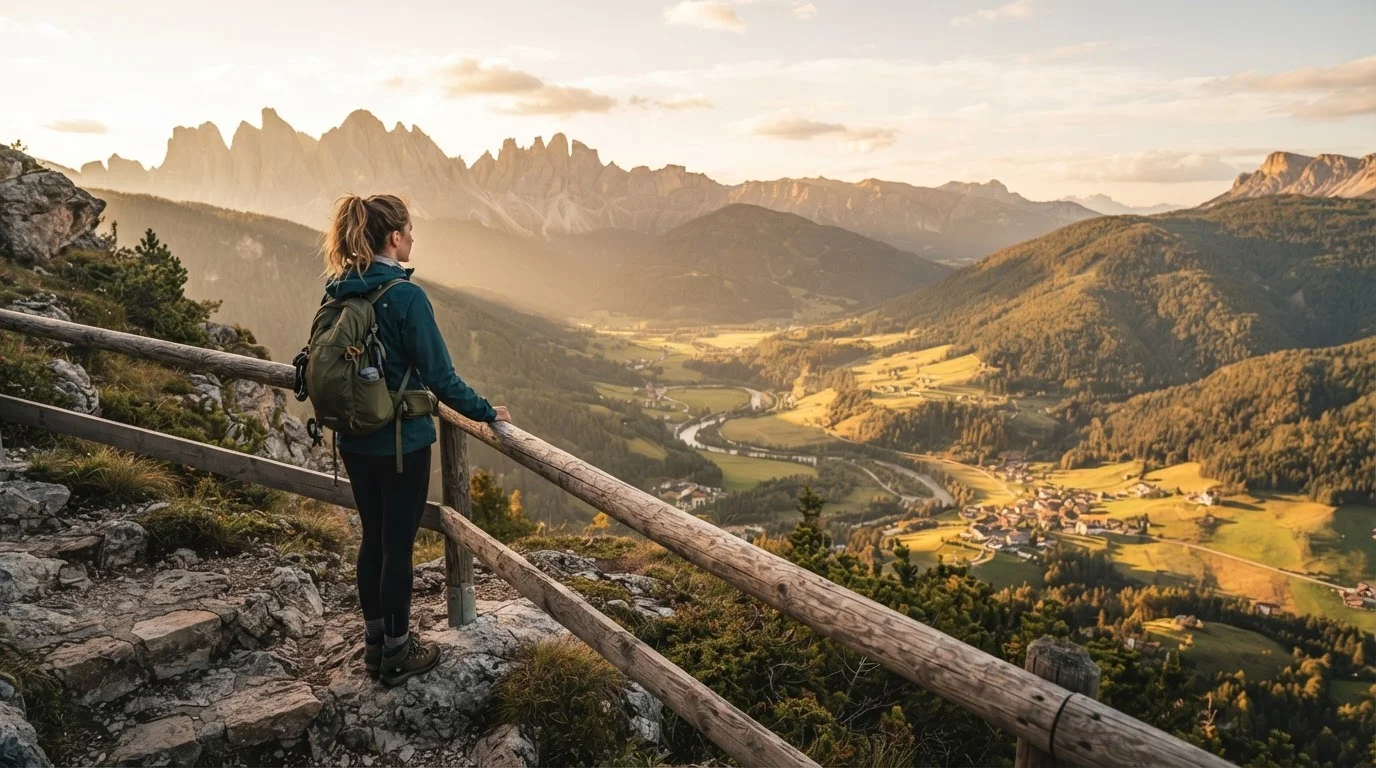
Two days is enough time to feel genuinely refreshed - if you don't overschedule. Pick one anchor activity per day (a hike, a museum, a walking food tour) and leave the rest loosely structured. Eating alone at a counter or a small café, wandering a neighborhood without a plan, or sitting somewhere scenic for an hour are all legitimate uses of solo travel time.
Resist the urge to fill every hour. The whole point of going solo is that you can be spontaneous within a framework - not that you have to justify every moment to anyone. The complete weekend getaway playbook offers a useful end-to-end framework if you want a more structured planning approach for future trips.
When Sunday evening arrives, build in buffer time before you're due back. A relaxed drive home beats a rushed one, and giving yourself thirty minutes to decompress before re-entering normal life is the difference between returning renewed and returning frazzled.