Why Small Habits Compound Into Big Savings
Most catastrophic car repairs don't happen without warning - they follow years of small neglect. A dry radiator, chronically low oil, or tires that were never rotated all degrade quietly until something fails at the worst possible moment. The good news is the reverse is equally true: small, consistent maintenance habits compound into significantly longer vehicle life and lower ownership costs.
Drivers who keep a vehicle well beyond 150,000 miles share a common profile - they're not necessarily spending more money, they're spending it at the right time. Understanding what those habits look like in practice is the first step to making them routine. For a broader view of how maintenance priorities shift as your vehicle ages, see our guide to car maintenance from first purchase to high mileage.
Core Practices That Protect Long-Term Reliability
The following habits are grounded in mechanical common sense and are consistent with guidance from professional mechanics and manufacturer recommendations. None requires specialized skills - just regularity.
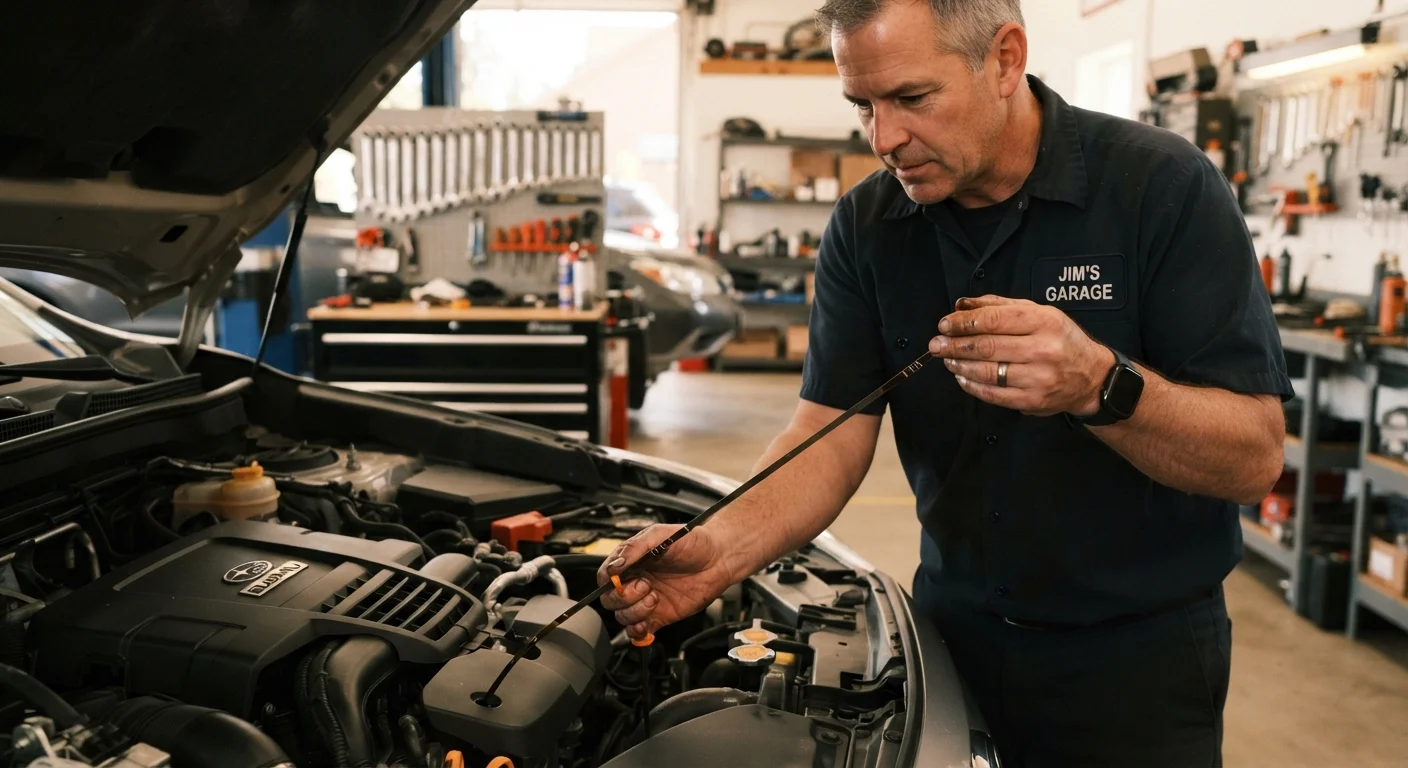
Change engine oil and filter on the interval specified in your owner's manual - not based on habit or guesswork.
Oil degrades and becomes contaminated over time, losing its ability to lubricate engine internals effectively. Running an engine on degraded oil accelerates wear on bearings, camshafts, and cylinder walls - damage that accumulates silently and is expensive to reverse.
Check tire pressure monthly and before any long trip, using the pressure listed on the driver's door placard - not the tire sidewall.
Underinflated tires wear unevenly, reduce fuel efficiency, and increase the risk of a blowout. Overinflated tires reduce contact patch and compromise handling. Both conditions stress suspension components beyond their intended load.
Rotate tires every 5,000 to 7,500 miles and have wheel alignment checked annually or after any significant impact.
Front and rear tires wear at different rates depending on drivetrain layout and steering forces. Regular rotation evens out that wear, extending the life of the full set. Misalignment causes rapid, uneven tread loss and puts lateral stress on suspension components.
Allow the engine a brief, gentle warm-up period in cold weather before driving hard, and avoid aggressive acceleration from a cold start.
Engine oil takes 30-60 seconds to fully circulate after a cold start. During that window, internal components are momentarily running with reduced lubrication. High RPMs before oil pressure stabilizes accelerate wear on the valve train and cylinder walls.
Keep a simple service log - either in a notebook kept in the glovebox or a note app - recording every fluid change, tire rotation, and repair with the date and mileage.
A maintenance record helps you spot intervals that are slipping, provides documentation that supports resale value, and gives a mechanic useful context when diagnosing a problem. Without records, it's easy to duplicate services or miss them entirely.
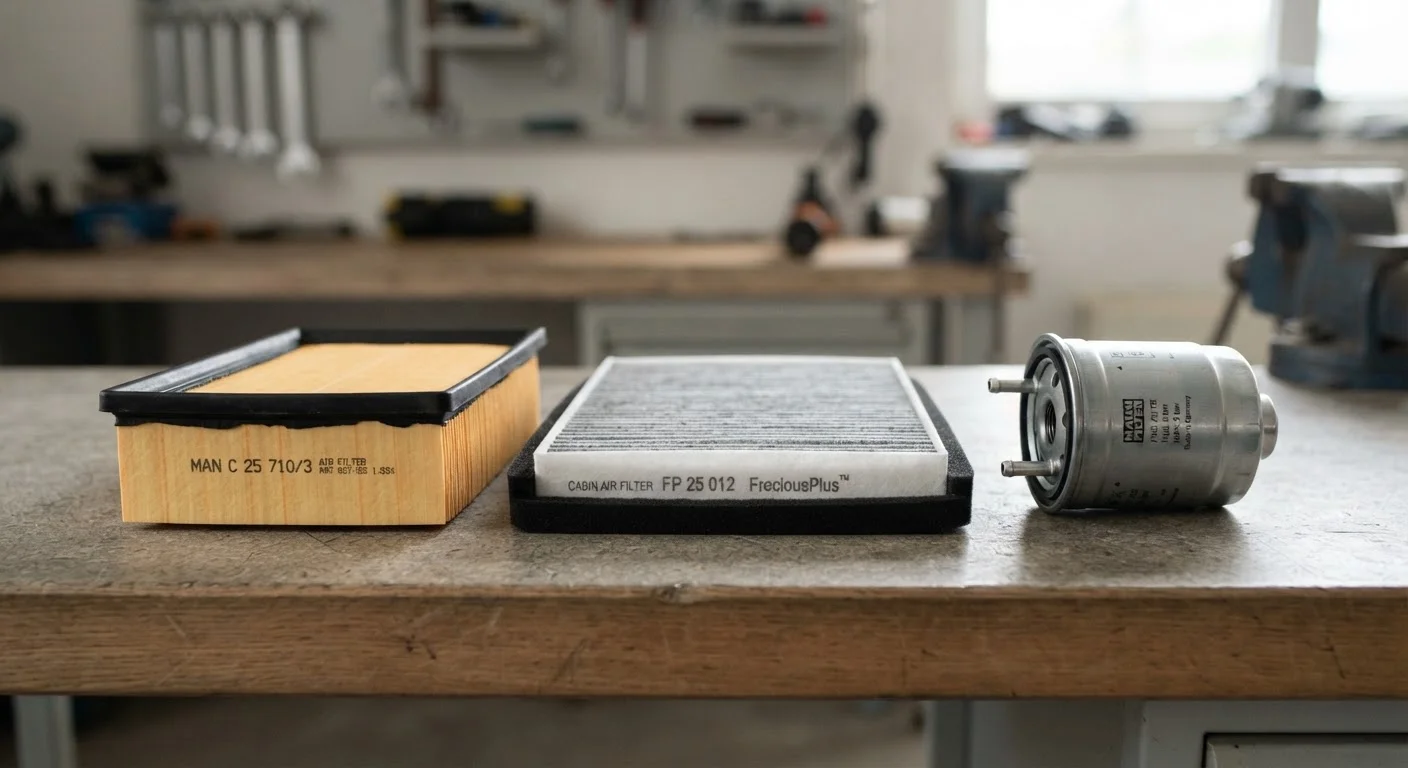
Inspect and replace cabin and engine air filters at manufacturer-recommended intervals, or sooner if driving in dusty conditions.
A clogged engine air filter restricts airflow, forcing the engine to work harder and potentially running richer fuel mixtures. A dirty cabin filter reduces HVAC airflow and can stress the blower motor over time. Both are inexpensive to replace and easy to inspect.
If you want to understand exactly what each service milestone involves, our maintenance schedule decoder breaks down owner's manual intervals in plain language.
Quick Actions You Can Take This Week
You don't need to overhaul your entire routine at once. Starting with one or two of these actions builds momentum and immediately reduces wear risk.
Even small improvements in driving behavior can extend component life - many of the same instincts that protect your engine also help at the pump. Our fuel-saving habits guide covers the overlap between efficiency and longevity.
The Hidden Cost of Waiting
Deferred maintenance rarely stays cheap. A $15 oil change skipped twice can accelerate sludge buildup that eventually requires an engine flush - or worse, contributes to bearing wear that costs several times more to address. The financial logic consistently favors early, small interventions over reactive, large ones.
~$1,200
Average preventable repair cost from ignored oil changes
Industry estimates from automotive service associations suggest engine damage linked to oil neglect commonly runs into the low thousands of dollars, far exceeding the cost of regular changes.
25%
Tire lifespan reduction from chronic underinflation
The U.S. Department of Energy has noted that tires underinflated by just 25% can experience significantly accelerated tread wear compared to properly inflated tires.
200,000+
Miles achievable with disciplined routine maintenance
Consumer Reports and automotive journalists consistently find that vehicles reaching high mileage reliably share a history of owner-maintained service records and timely fluid changes.
The pattern holds across nearly every system: coolant neglected long enough corrodes the cooling system; brake fluid ignored absorbs moisture and lowers boiling point; a cabin air filter never changed reduces HVAC efficiency. For a full breakdown of what deferred maintenance actually costs, see The Real Cost of Skipping Routine Maintenance.
Manufacturer Intervals Vary - Check Your Manual
There is no single universal oil change, rotation, or fluid flush interval that applies to every vehicle. Manufacturer recommendations vary by engine type, transmission, drivetrain, and even driving conditions. Using your specific owner's manual - rather than generic rules of thumb - ensures you're following guidance designed for your vehicle. Our routine servicing schedule guide explains what each service type typically includes and why intervals differ.
If you're weighing whether it's financially smarter to maintain an older vehicle versus replacing it, our long-term vs. replacement cost breakdown lays out the trade-offs clearly.