What the Mileage Markers Actually Mean
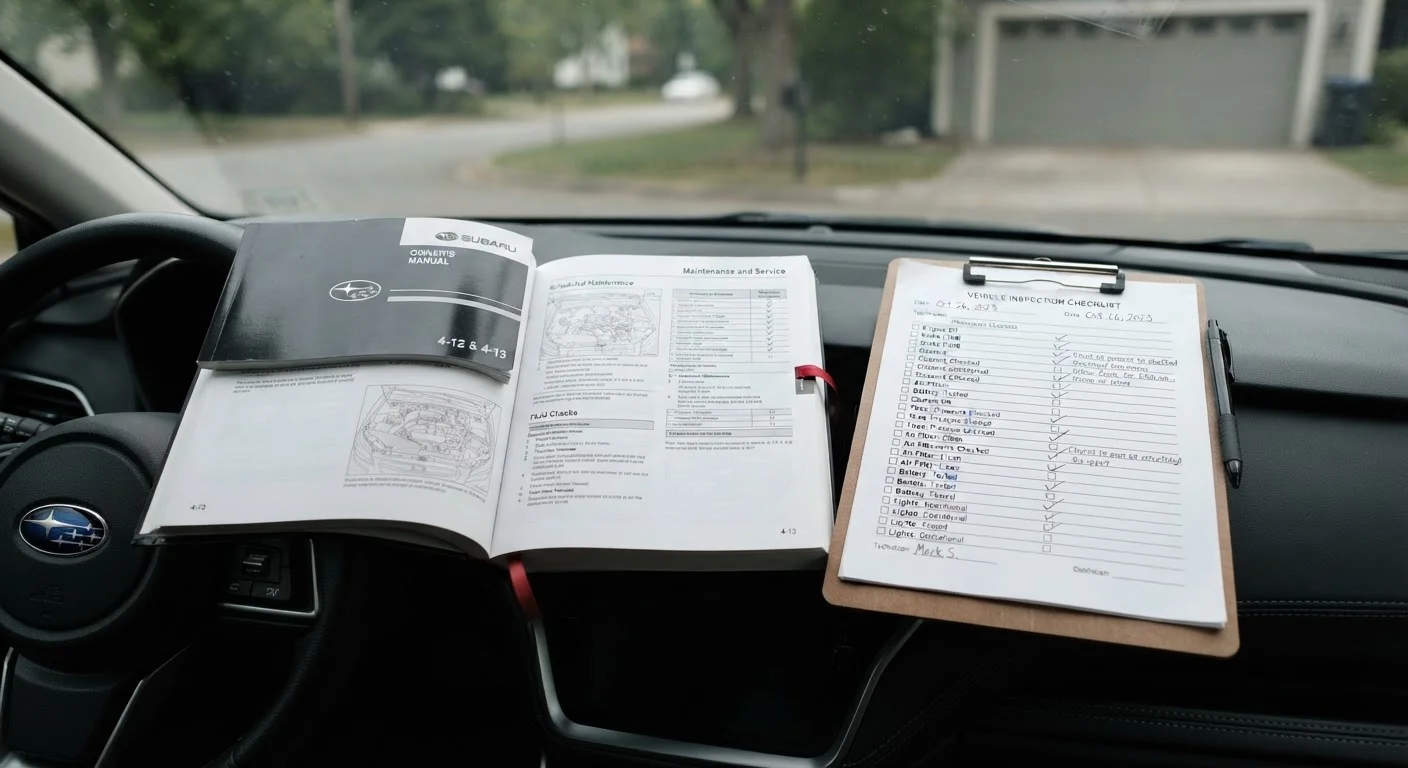
Open any owner's manual and you'll find a grid of mileage milestones - 5,000, 15,000, 30,000, 60,000 miles and beyond - each tied to specific tasks. These aren't arbitrary numbers. They reflect the manufacturer's engineering data on how long components last under expected operating conditions.
Each milestone typically groups tasks by urgency and cost. Early intervals (every 5,000-7,500 miles) focus on consumables: engine oil, filters, and tire rotation. Mid-range intervals (30,000-60,000 miles) introduce higher-stakes items like brake fluid, spark plugs, coolant, and cabin air filters. Major intervals (90,000-100,000 miles) often include timing belts or chains, transmission service, and serpentine belts.
The guiding rule: whichever comes first - mileage or time - triggers the service. A car driven only 3,000 miles in a year still needs an annual oil check and fluid inspection, because fluids degrade with age even when sitting.
35%
Vehicles running on degraded or low engine oil
According to data cited by the Car Care Council, roughly one in three vehicles inspected at care events shows inadequate or dirty engine oil.
$1,200+
Average cost of a timing belt failure repair
Industry repair estimates consistently place timing belt failure repairs - including related engine damage - well above the cost of a preventive belt replacement.
84%
Vehicles found with at least one maintenance need
The Car Care Council's National Car Care Month vehicle inspections routinely find the large majority of sampled vehicles need at least one service or repair.
Severe vs. Normal: Which Schedule Applies to You?
The 'normal' driving schedule assumes a balanced mix of highway miles that bring the engine to full operating temperature and keep fluids circulating effectively. Many drivers assume this is them - but it often isn't.
You likely qualify for the severe duty schedule if you:
- Make frequent trips under 5 miles (engine never fully warms up)
- Idle for extended periods - commuting in heavy traffic, for example
- Drive in consistently extreme heat or cold
- Tow trailers or carry heavy loads regularly
- Drive on dusty, unpaved roads
The severe schedule shortens many intervals, particularly for oil changes and transmission fluid. Ignoring this distinction is one of the most common - and costly - maintenance mistakes urban drivers make.
Check Your Driving Conditions Honestly
Pull up your owner's manual and compare your typical driving habits against the manufacturer's definition of 'severe' conditions. If even one condition applies regularly - frequent short trips, extreme temperatures, heavy traffic - default to the severe schedule for oil changes at minimum. The cost difference between oil change intervals is small; the cost of ignoring engine wear is not.
Key Service Milestones Explained
Here's what the major milestones typically cover, and why each matters:
Every 5,000-7,500 Miles
Oil and filter change, tire rotation, visual brake inspection. These keep the engine lubricated and tires wearing evenly. See our engine oil guide for a deeper look at intervals and viscosity choices.
Every 15,000-30,000 Miles
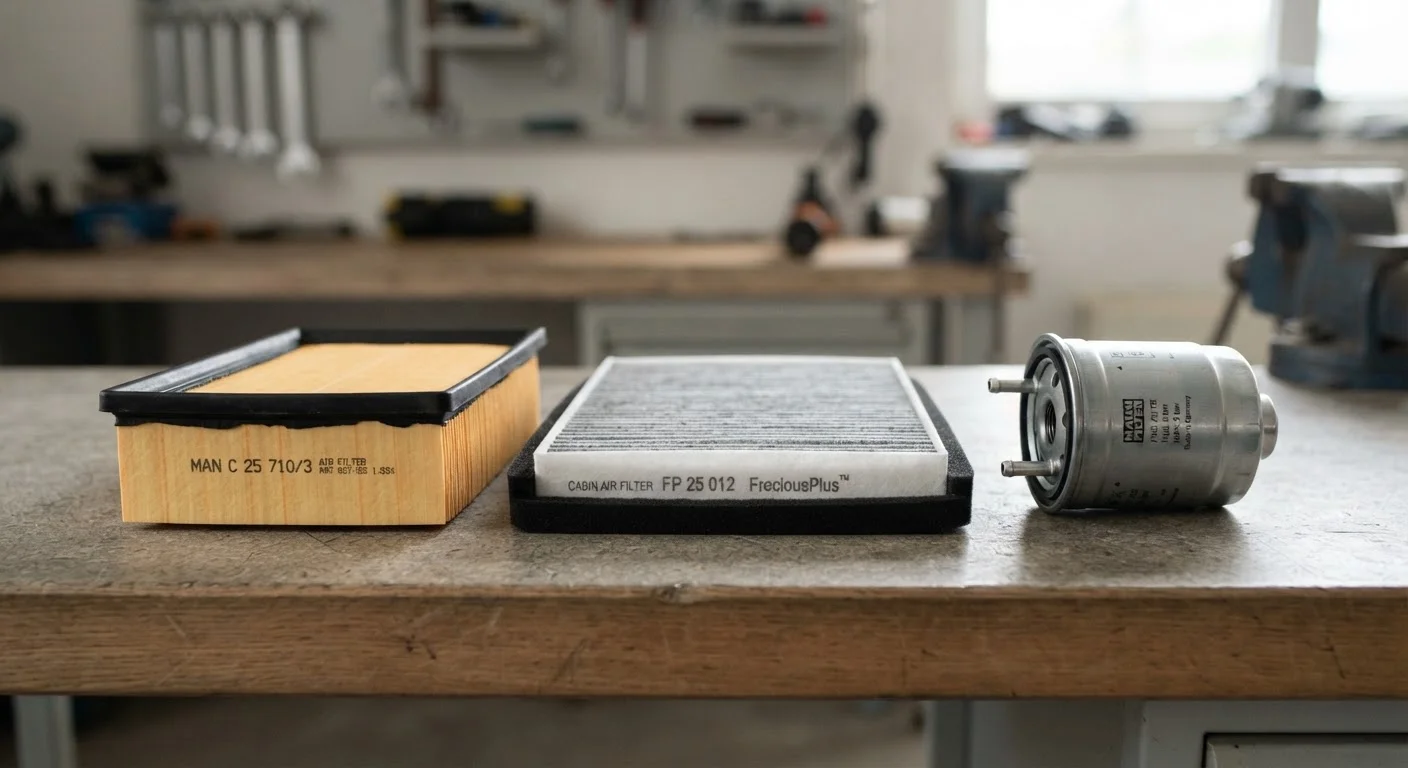
Air filter, cabin air filter, brake fluid check. Air filters affect fuel combustion efficiency; brake fluid absorbs moisture over time and can compromise stopping performance. If a dashboard warning light appears between scheduled services, don't wait for the next milestone.
Every 60,000 Miles
Spark plugs (on many engines), coolant flush, transmission fluid. Worn spark plugs reduce fuel efficiency and can cause misfires. Coolant that isn't flushed becomes acidic and corrodes internal components.
Every 90,000-100,000 Miles
Timing belt (if applicable - timing chains generally last longer), serpentine belt, hoses. A failed timing belt is a catastrophic engine failure on interference engines. This is the milestone most owners regret skipping.
For a structured look at how priorities shift as your vehicle ages, see our guide on car maintenance from first purchase to high mileage.
Building a Simple Tracking Habit
The gap between knowing the schedule and actually following it is a tracking habit. Without a record, it's easy to lose track of what was done at which mileage - especially across multiple years or vehicle owners.
A basic approach: keep a small notebook in the glove box, or use a notes app, to log the date, odometer reading, and task completed every time you have service done. This log also documents your maintenance history, which adds tangible value when you sell the vehicle.
For a broader view of recurring ownership costs - registration, insurance renewals, and annual service budgeting - the annual car ownership cost checklist is a useful companion tool.
Finally, consider which tasks are practical to handle yourself versus those that require a shop. DIY vs. mechanic decisions depend on your tools, comfort level, and the stakes involved - but knowing your schedule is the prerequisite for either path.
This article provides general educational information about vehicle maintenance schedules. Always consult your vehicle's owner's manual and a qualified mechanic for guidance specific to your car's make, model, and condition.