Why Deferred Maintenance Compounds Like Debt
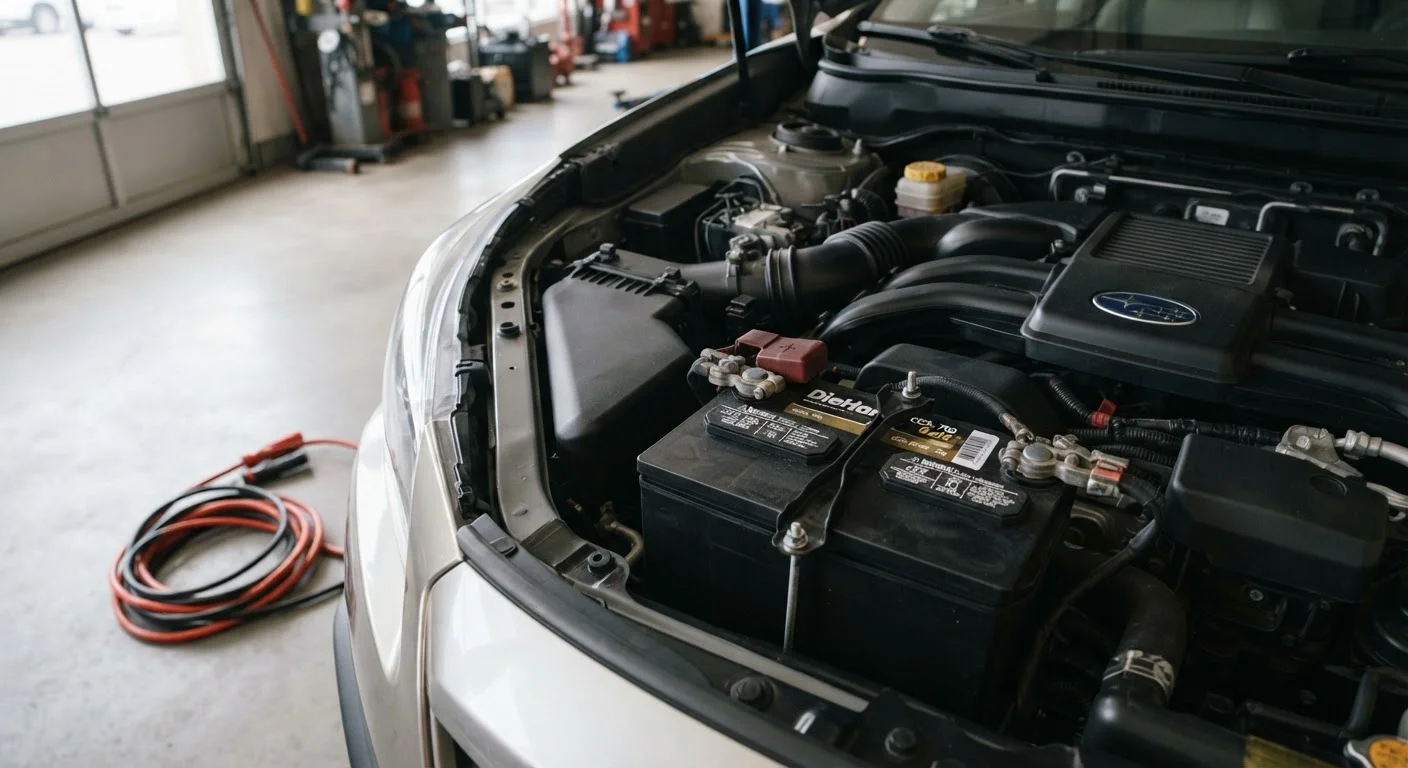
Skipping a single oil change rarely destroys an engine. But maintenance neglect compounds - dirty oil thickens, metal surfaces wear faster, and small problems interact. A coolant leak ignored for two months can warp a cylinder head; a marginal battery left unchecked can strand you and damage your alternator when it finally fails hard.
The pattern is predictable: a driver avoids a $90 service, drives another 5,000 miles, and eventually faces a repair bill that easily reaches $800-$2,000 depending on what broke downstream. This isn't a worst-case scenario - it's a well-documented mechanic reality. Understanding the cost logic is the first step toward changing the habit. For a broader view of how maintenance priorities shift over a vehicle's life, see Car Maintenance from First Purchase to High Mileage.
Prevents small issues from becoming major repairs
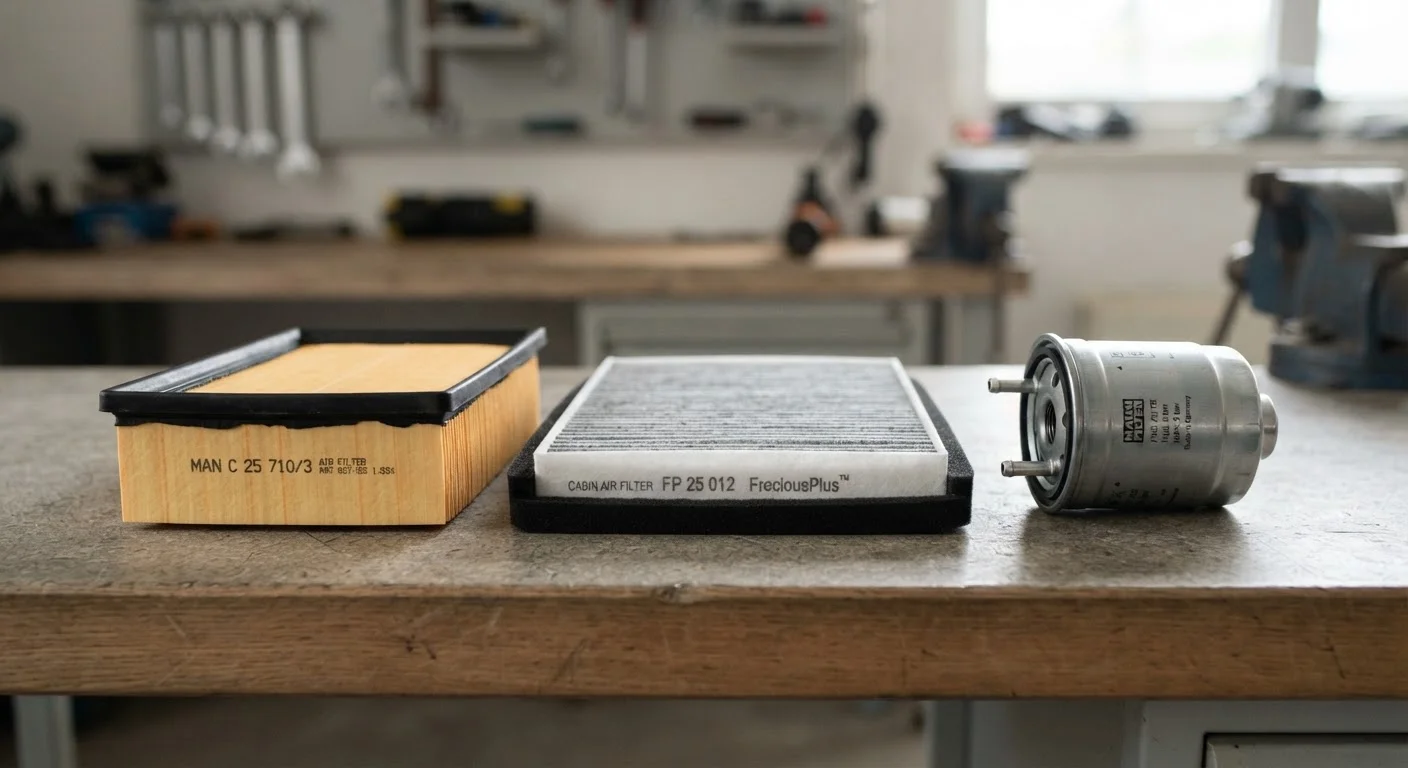
Catching a worn belt, low coolant, or dirty filter early costs a fraction of the repair bill it prevents. Most major engine and transmission failures have identifiable precursors that routine checks would have flagged.
Protects resale and trade-in value
Vehicles with documented service histories typically attract more buyer confidence and higher offers. Gaps in maintenance records are a known red flag in private-sale and dealer appraisal contexts.
Maintains fuel efficiency over time
Fresh engine oil, correctly inflated tyres, and clean air filters all contribute to optimal fuel economy. Neglecting these allows efficiency to degrade gradually - often without the driver noticing until fuel costs have quietly risen.
Keeps warranty coverage intact
Many manufacturer and extended warranties require documented adherence to service intervals. Skipping services can give an insurer or manufacturer grounds to deny a claim, even if the skipped service wasn't directly related to the failure.
Improves safety reliability
Brake inspections, tyre checks, and fluid assessments catch wear before it becomes a road hazard. A well-maintained vehicle is statistically more predictable in emergency braking and handling situations.
The Real Financial Case for Staying on Schedule
Routine services aren't just about mechanical health - they protect your financial position. Documented maintenance history supports warranty claims, keeps manufacturer coverage intact on newer vehicles, and adds measurable resale value. A vehicle with complete service records typically commands more confidence from private buyers and dealerships alike.
~$80-$120
Typical oil change and inspection cost
Industry service data consistently shows this range for conventional or synthetic oil changes with a basic multi-point inspection at independent shops.
$2,500+
Average automatic transmission repair cost
Repair cost estimates from automotive industry sources place full transmission rebuilds or replacements in this range, often linked to skipped fluid maintenance.
3-5%
Fuel economy loss from underinflated tyres
The U.S. Department of Energy estimates that tyres underinflated by just 1 psi reduce fuel economy by approximately 0.2%, with compound losses across all four tyres.
Tyre rotation is a useful illustration. A $20-$25 rotation every 5,000-7,000 miles distributes wear evenly. Skip it consistently and you're replacing a full set of tyres far earlier than necessary - a cost difference that can exceed $400 on a mid-size vehicle. Tyre costs add up faster than most drivers expect, and uneven wear from skipped rotations is one of the most preventable contributors.
Pros and Cons of Staying Current on Maintenance
Routine maintenance isn't without real costs - it takes time, money, and discipline to stay on schedule. Here's an honest look at both sides.
Upfront cost creates short-term cash flow pressure
Routine services cost real money, and for drivers on tight budgets, even a $75-$120 oil change and inspection can feel difficult to prioritize. This is the most understandable reason drivers defer maintenance.
Time and scheduling create friction
Finding a mechanic, booking an appointment, and arranging transportation takes effort - especially for single-car households. The inconvenience is a legitimate barrier that shouldn't be dismissed.
Service intervals vary by vehicle and aren't always intuitive
Different makes, models, and driving conditions call for different schedules. Without a reliable reference, drivers may over-service some items and under-service others, reducing efficiency without necessarily reducing risk.
Not all shops perform services consistently
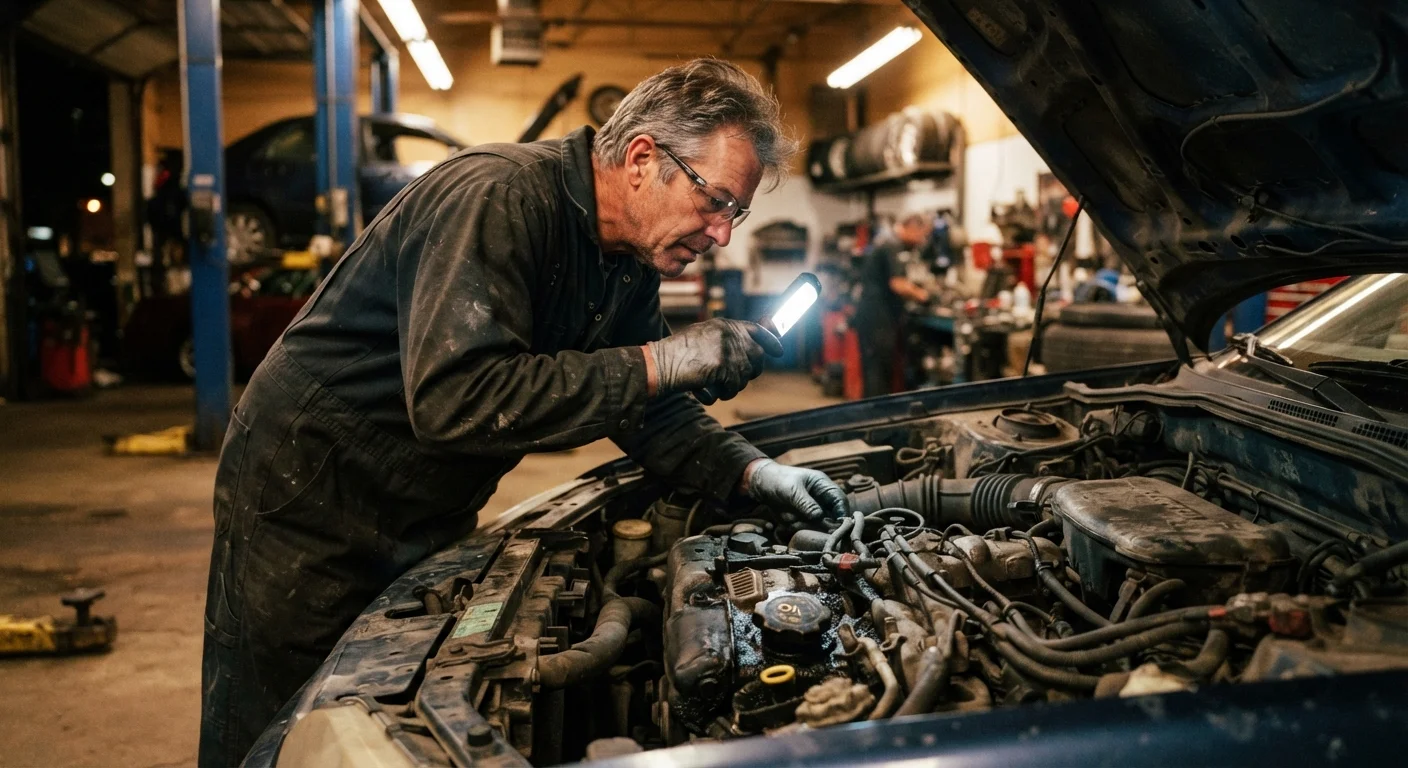
Quality of routine maintenance varies by technician and shop. A poorly performed service - undertorqued drain plug, incorrect filter, wrong fluid spec - can introduce problems rather than prevent them.
The cons are real but manageable. Many drivers find that scheduling services around oil change intervals - roughly every 5,000-7,500 miles for conventional oil, 7,500-10,000 for synthetic - keeps other checks from falling through the cracks. Routine servicing schedules explained breaks down exactly what each service interval should include and why timing matters.
Where Skipping Maintenance Hits Hardest
Some services carry disproportionate risk when delayed. Engine oil is the most critical - without adequate lubrication, metal-on-metal contact accelerates wear at a rate most drivers underestimate. Transmission fluid is a close second; many automatic transmissions require a fluid exchange between 30,000-60,000 miles, and neglecting it can lead to repair costs north of $2,500.
Brake fluid absorbs moisture over time, reducing its boiling point and degrading pedal feel. Coolant breaks down chemically, becoming corrosive inside the cooling system. None of these failures announce themselves with a warning light until significant damage is already done. Where car owners overspend without realising it covers several of these patterns in detail, including how deferred maintenance quietly escalates into major repair costs.
When Warning Lights Aren't Enough
Modern vehicles have numerous sensors, but they don't monitor everything. Coolant condition, brake fluid moisture content, and tyre tread depth typically require a physical inspection - not just a dashboard light. Relying solely on warning indicators means some wear goes undetected until it's already caused damage. A visual check at each oil change catches what sensors miss.
Building a Maintenance Habit That Sticks
The biggest barrier to consistent maintenance is usually friction, not cost. Drivers who tie service intervals to a specific mileage marker - rather than a calendar date - tend to stay more consistent because odometer readings are harder to ignore than months passing by. Setting a reminder in your phone when you leave the shop takes thirty seconds and eliminates the most common excuse.
Driving style also affects how quickly consumables wear out. Aggressive braking and accelerating accelerate wear costs - smoothing out your driving habits extends brake pad life, reduces tyre stress, and improves fuel economy simultaneously. If you're weighing whether to keep your current vehicle or move on, keeping a car long-term vs. replacing it is worth reading before making that call.