
The Spending Patterns Most Owners Never Notice
Vehicle ownership costs are easy to underestimate because the largest expenses - fuel, insurance, loan payments - are predictable and visible. The spending that quietly erodes budgets tends to be scattered: a dealership add-on here, a forgotten subscription there, a repair that could have been $80 last month but is now $600. Individually, each feels manageable. Collectively, they represent hundreds or thousands of dollars a year in avoidable spending.
The good news is that most of these leaks follow a pattern. They happen either at the point of purchase, when attention is focused on the big number; during routine ownership, when small decisions feel inconsequential; or through inertia, when nobody reviews what's being charged month after month. Recognising these moments is the first step toward plugging them.
For a broader view of the costs that catch drivers off guard before they've even left the lot, see hidden ownership costs most car buyers don't factor in. And if you want to understand why some widely held beliefs about car spending actually cost you more, myths about car ownership costs is worth a read alongside this piece.
Accepting dealer add-ons without scrutiny at the point of sale.
Why it happens: Dealership finance offices present add-ons - paint protection, fabric sealer, wheel locks, security etching - as standard inclusions or low-cost upgrades. When you're already processing a large purchase, a few hundred dollars per item feels minor.
Paying for premium fuel when the vehicle only recommends - not requires - it.
Why it happens: Marketing language around 'premium' implies better performance, and many drivers assume more expensive fuel is simply better for their engine regardless of the owner's manual recommendation.
Letting minor maintenance slide until a small issue becomes a major repair.
Why it happens: Routine services feel optional when the car seems to be running normally. Budget pressure and busy schedules make it easy to postpone oil changes, tyre rotations, and fluid checks.
Carrying insurance coverage levels that no longer match the vehicle's value.
Why it happens: Most drivers set their policy at purchase and rarely revisit it. Comprehensive and collision coverage on an older, depreciated vehicle can cost more annually than the payout you'd receive after a total loss.
Using a car wash or detailing service on a subscription you rarely use.
Why it happens: Monthly auto-billing makes subscription services easy to forget. A car wash membership, roadside assistance duplicate, or telematics plan can quietly charge month after month.
Ignoring fuel economy losses caused by easily correctable habits and vehicle conditions.
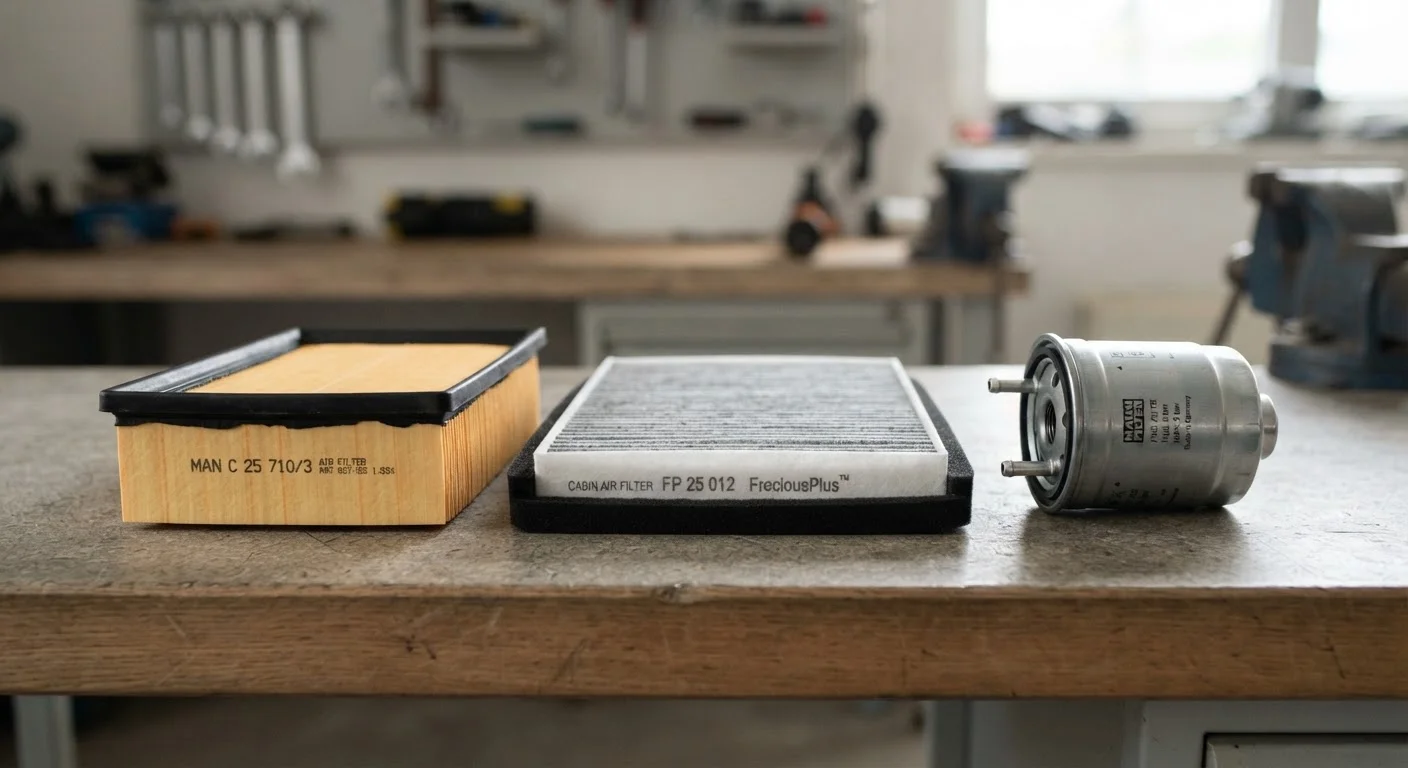
Why it happens: Fuel costs feel fixed and invisible - drivers rarely connect low tyre pressure, a dirty air filter, or a loaded roof rack to the extra fill-ups they're doing each month.
Building a Clearer Picture of What Your Vehicle Actually Costs
Most overspending persists because there's no single view of what a vehicle costs each month. Insurance renews annually, fuel is purchased weekly, maintenance bills arrive irregularly, and subscription charges slip through unnoticed. Without a consolidated record, it's nearly impossible to spot where money is leaking.
Deferred Maintenance Compounds Quickly
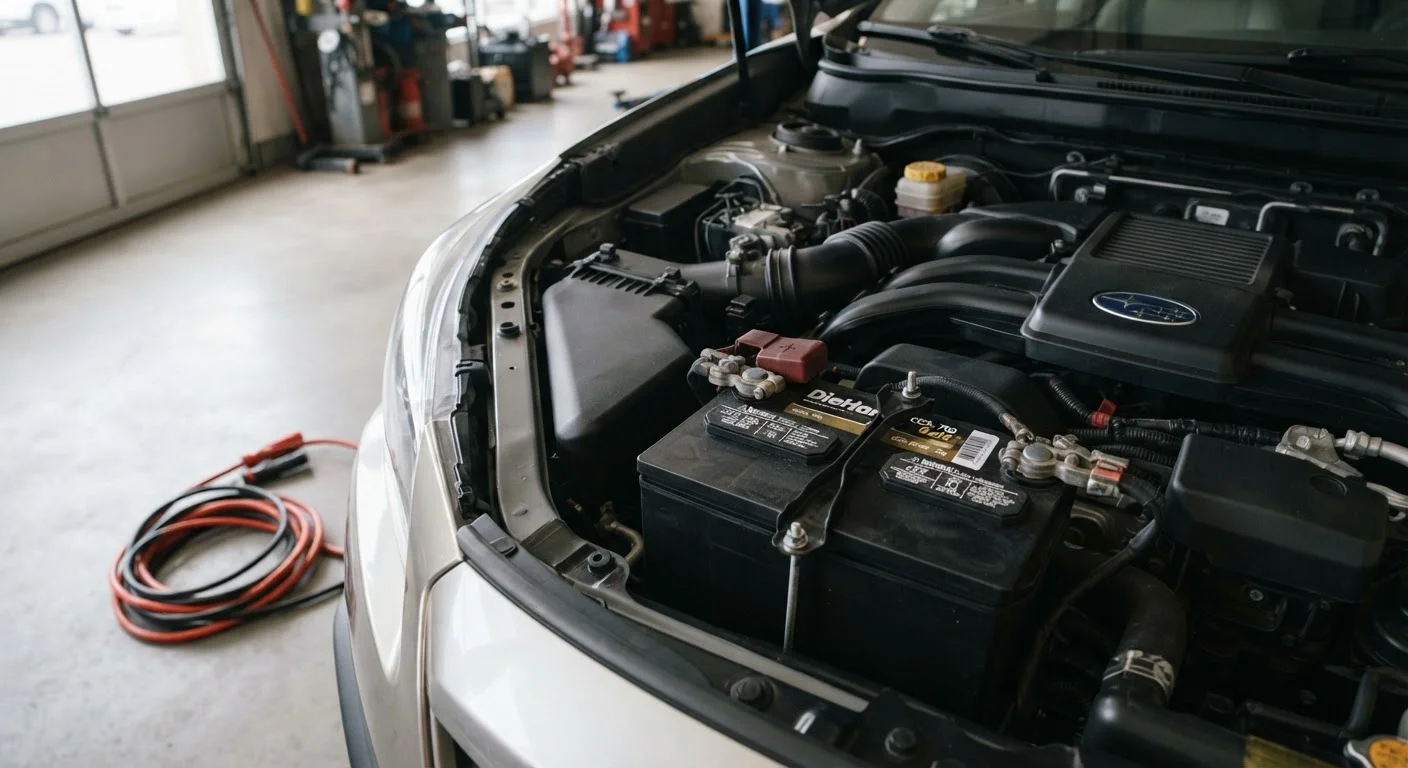
Skipping a $50 service appointment can quietly evolve into a $500-$1,500 repair if the underlying issue is left unaddressed. Small problems - worn brake pads, low coolant, a sluggish battery - don't stay small. If a warning light or unusual noise appears, have it inspected promptly rather than waiting for a scheduled service.
A simple spreadsheet or dedicated budgeting category that captures every vehicle-related expense - fuel, insurance, registration, maintenance, parking, tolls - over a rolling 12 months will reveal patterns that are otherwise invisible. Tracking and managing vehicle running costs throughout the year provides a practical framework for doing exactly that.
~$12,000
Average annual cost of vehicle ownership (AAA estimate)
AAA's annual 'Your Driving Costs' study consistently places average total vehicle ownership expenses - including fuel, maintenance, insurance, depreciation, and finance - well above $10,000 per year for a typical sedan.
30%+
Drivers who carry unnecessary collision coverage
Insurance industry researchers have noted that a significant share of older-vehicle owners maintain full collision coverage even when the premium outweighs realistic claim value, representing avoidable annual spending.
3-4¢
Extra cost per mile from under-inflated tyres
The U.S. Department of Energy estimates that tyres under-inflated by just 1 psi reduce fuel economy by roughly 0.2%, an effect that compounds meaningfully across tens of thousands of miles driven annually.
Understanding your insurance policy in the same detail is equally important. Factors you may not have reviewed since policy inception - where the car is parked overnight, your annual mileage, your deductible level - can meaningfully affect your premium. What drives car insurance premiums up explains the levers worth examining at renewal. If you're planning travel, note that road trip myths covers additional assumptions that inflate per-trip costs beyond what most families anticipate. For ongoing budgeting across all household expenses, the home budgeting hub offers broader strategies that apply equally well to vehicle costs. The car maintenance hub is the practical starting point for keeping your vehicle reliable without overpaying for services you don't need.