Why Manufacturer Intervals Exist - and Why They Matter
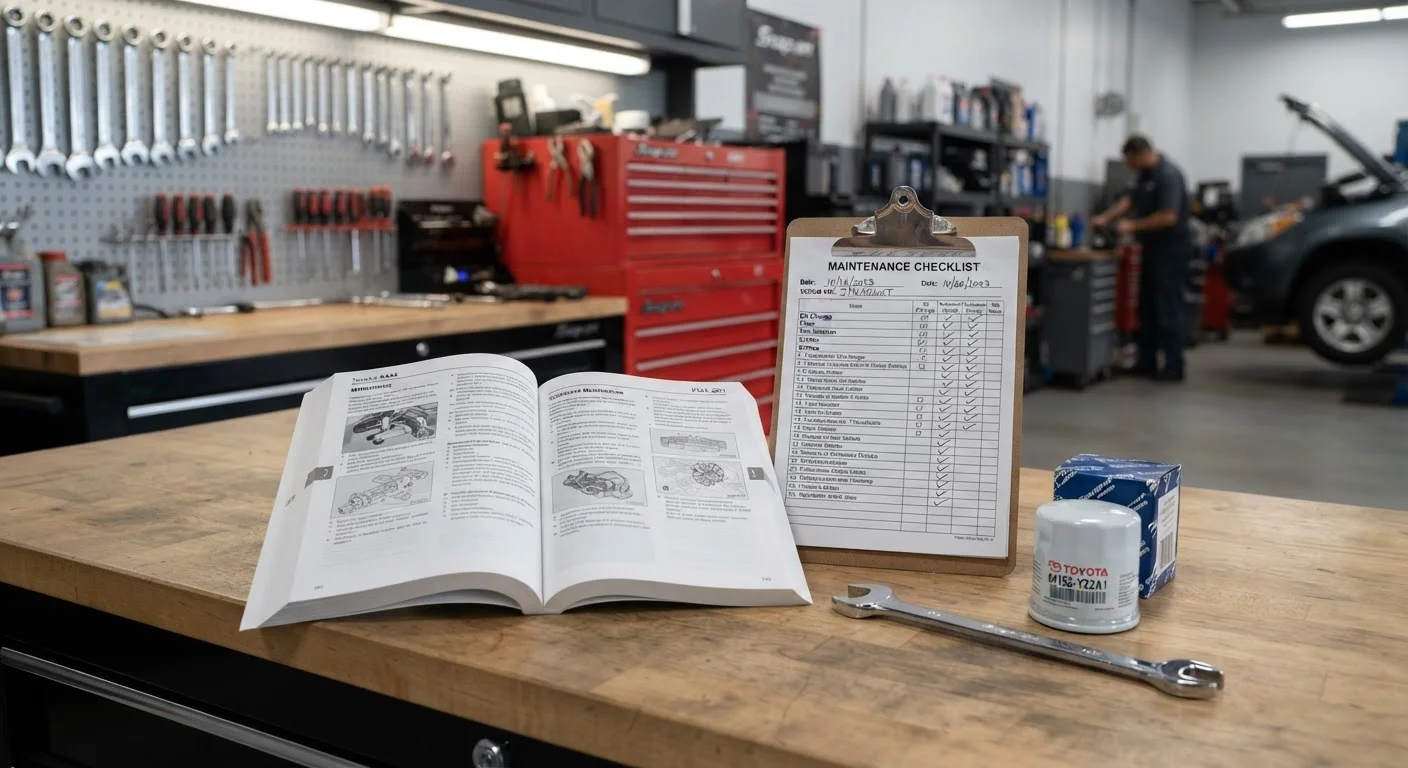
Every vehicle comes with a manufacturer-specified servicing schedule, typically documented in the owner's manual. These intervals are not arbitrary - they reflect engineering data about wear rates for fluids, filters, belts, and mechanical components under normal operating conditions. Skipping or significantly delaying scheduled services is one of the most common ways drivers unknowingly accelerate depreciation and invite large repair bills. For a deeper look at how maintenance priorities shift as your car ages, see Car Maintenance from First Purchase to High Mileage.
Two types of conditions affect interval timing: normal and severe. Severe conditions - including frequent short trips under five miles, stop-and-go city driving, towing, or extreme temperatures - typically shorten recommended intervals. If your driving falls into this category, follow the severe-duty schedule in your manual, not the standard one.
| Oil change interval (conventional oil) | Every 3,000-5,000 miles (General industry guidance; verify in owner's manual) |
| Oil change interval (synthetic oil) | Every 7,500-10,000 miles (some up to 15,000) (Varies by manufacturer and oil specification) |
| Tire rotation interval | Every 5,000-7,500 miles (Commonly recommended with every oil change) |
| Timing belt replacement | Typically 60,000-100,000 miles (Varies widely; consult owner's manual for exact interval) |
| Brake pad lifespan | 25,000-65,000 miles (highly variable) (Depends on driving style and brake pad material) |
| Battery average lifespan | 3-5 years (Climate and usage affect actual longevity) |
What Happens at Each Major Service Milestone
Service intervals are usually measured in mileage, time, or both - whichever comes first. Here is what each tier typically covers:
Every 5,000-7,500 Miles (or ~6 Months)
- Engine oil and filter change - the most time-sensitive item; degraded oil loses its lubricating properties and can cause accelerated engine wear
- Tire rotation - evens out wear patterns and extends tire life
- Visual inspection - fluids, lights, wiper blades, belts, and visible hoses
Every 15,000-30,000 Miles
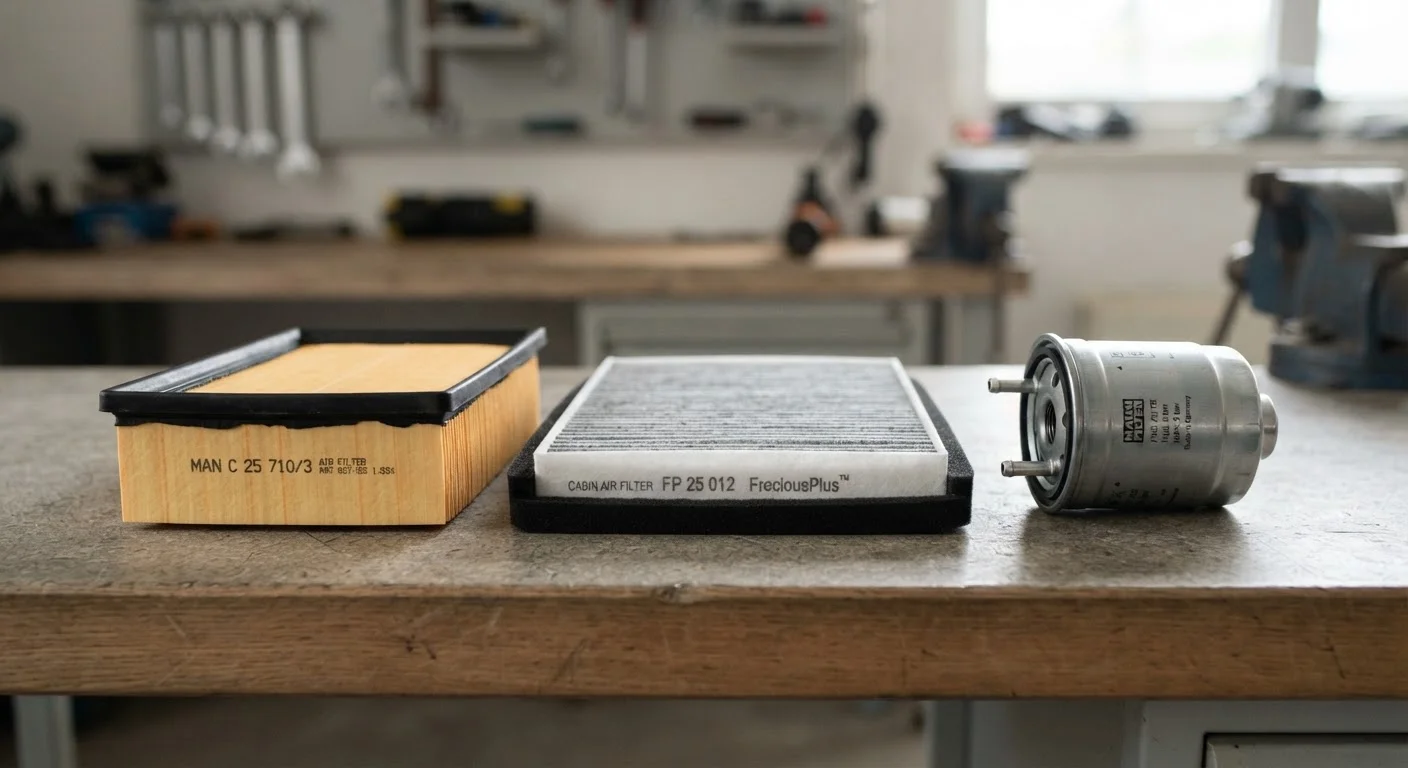
- Air filter replacement - a clogged air filter reduces engine efficiency and, in some vehicles, fuel economy
- Cabin air filter - affects HVAC performance and interior air quality
- Brake inspection - pad thickness, rotor condition, and fluid level
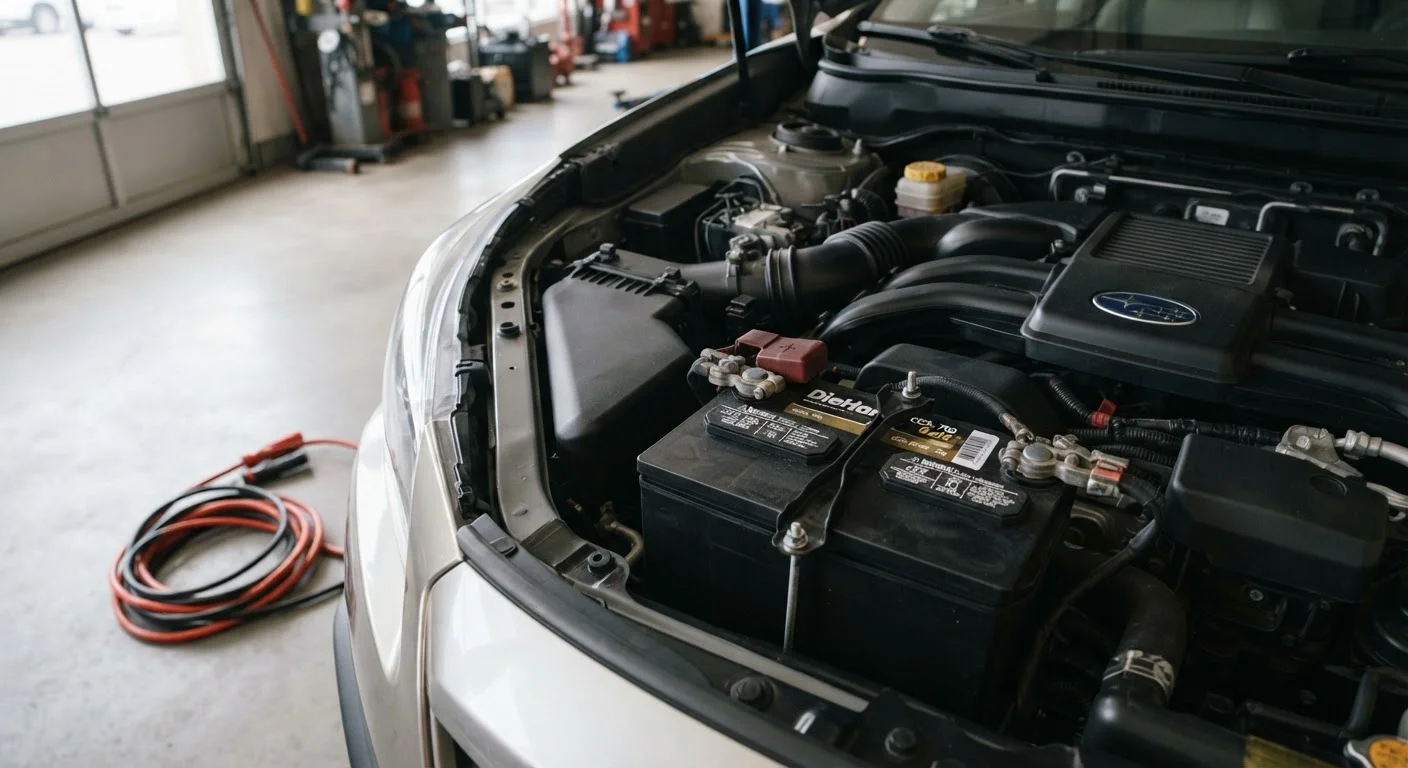
- Battery test - most batteries last 3-5 years; a load test catches deterioration before a no-start situation
Every 60,000-100,000 Miles
- Spark plugs - worn plugs cause misfires and reduce fuel efficiency; modern iridium plugs often last 100,000 miles
- Timing belt or chain service - a snapped timing belt can destroy an engine; check your manual for the specific interval
- Transmission fluid - often overlooked; dirty fluid increases friction and heat inside the transmission
- Coolant flush - prevents corrosion inside the cooling system
- Serpentine belt inspection or replacement
Your Car's Maintenance Schedule, Decoded offers a useful companion reference if you are trying to interpret the specific language in your owner's manual.
The Real Cost of Deferred Maintenance
Service interval
The manufacturer-recommended mileage or time period between scheduled maintenance events. Intervals are specific to each vehicle and listed in the owner's manual.
Severe-duty conditions
Driving patterns - such as frequent short trips, towing, or extreme temperatures - that accelerate component wear and typically require shorter service intervals than standard schedules.
Timing belt
A rubber belt that synchronizes the rotation of the engine's crankshaft and camshaft. If it fails, serious engine damage often results. Not all vehicles have a timing belt - some use a metal timing chain.
Coolant flush
A service that drains and replaces the engine coolant (antifreeze) to remove contaminants and inhibitors that degrade over time, helping prevent corrosion in the cooling system.
Serpentine belt
A single, continuous belt that drives multiple engine accessories such as the alternator, power steering pump, and air conditioning compressor. Wear or cracking warrants inspection or replacement.
The financial case for staying current with servicing is straightforward. An oil change that costs roughly $50-$100 protects an engine that may cost $4,000-$8,000 or more to rebuild or replace. Ignoring brake wear until rotors are scored adds rotor replacement to what would have been a pad-only job - typically doubling or tripling the bill. For a full breakdown of how deferred maintenance cascades into larger expenses, see The Real Cost of Skipping Routine Maintenance.
From a household budgeting perspective, treating routine services as fixed, predictable costs - rather than waiting until something breaks - shifts you from reactive, variable spending to planned, manageable expenses. That framing matters especially for homeowners who are simultaneously managing utility bills, insurance, and property upkeep. The long-term cost comparison of keeping vs. replacing a vehicle makes clear that a well-serviced car is usually the more economical path.
Digital vs. Fixed Maintenance Reminders
Many newer vehicles have an onboard maintenance reminder system that calculates service needs based on actual driving data - oil temperature, trip length, and engine load - rather than fixed mileage. If your car has this system, it will typically display a service message on the dashboard. However, these systems track oil life only; they do not cover all scheduled services like transmission fluid, coolant, or spark plugs. Cross-reference with your owner's manual to ensure nothing is missed.
Building a Realistic Servicing Habit
Consistency matters more than perfection. A few practical approaches help drivers stay on schedule without constant mental overhead:
- Use your odometer, not just the calendar. Many drivers forget that intervals are mileage-based first. Set a recurring alert in your phone at each interval milestone.
- Keep a simple log. A note in your glove box or a phone note with dates and mileage for each service creates an at-a-glance history - useful when diagnosing problems and when selling the vehicle.
- Bundle services where possible. If you are due for an oil change and approaching a tire rotation interval, doing both in one visit reduces shop fees.
- Confirm what is actually included. Service packages vary by shop. Ask for an itemized list of what was performed - not just a sticker on your windshield.
Small, consistent habits have a compounding effect on vehicle reliability over time. The Long-Term Car Care habits guide covers how these habits stack up over years of ownership. You can also find broader maintenance resources through the Car Maintenance hub.
This article provides general vehicle maintenance information for educational purposes. Specific service requirements vary by make, model, and driving conditions. Always consult your vehicle's owner's manual or a qualified mechanic for guidance tailored to your vehicle.