How to Use This Reference
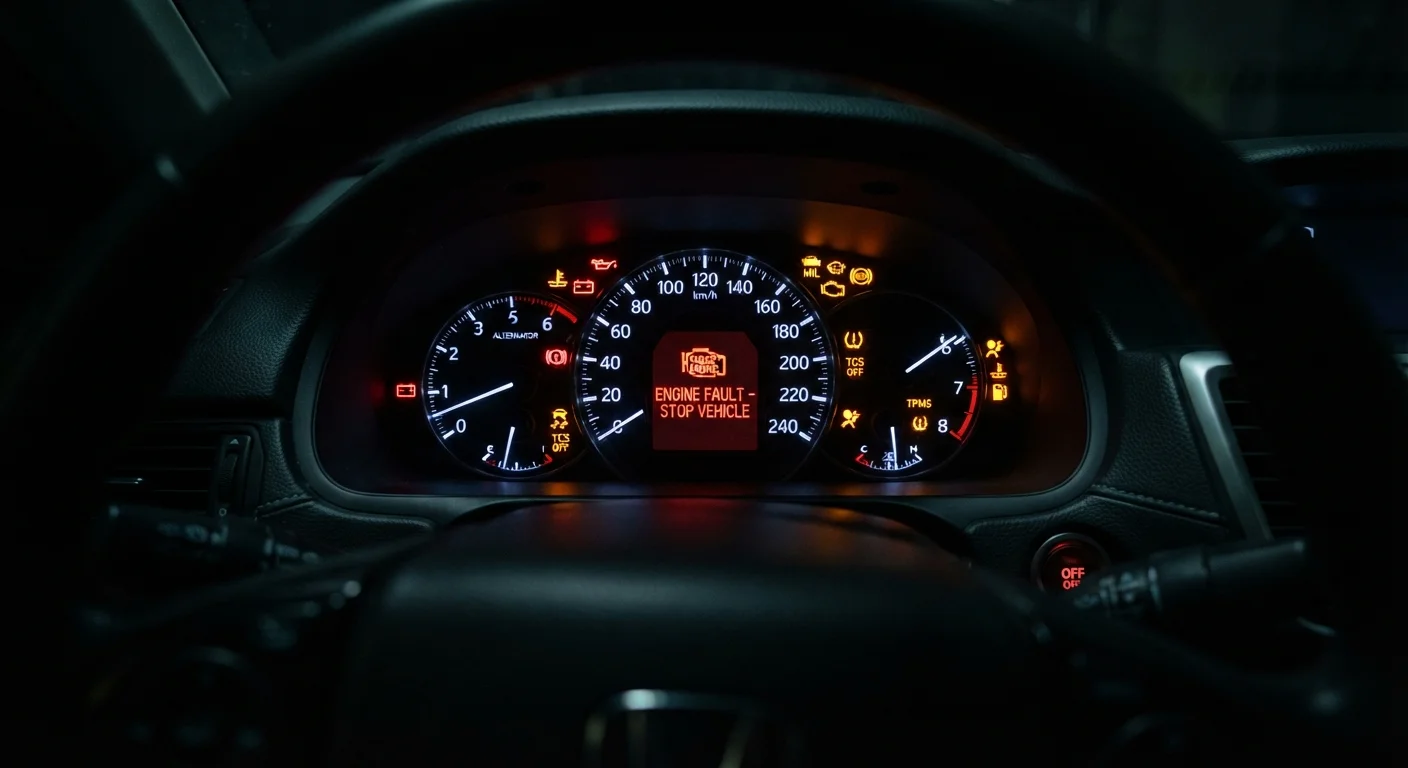
Dashboard warning lights fall into three urgency tiers: red (stop driving as soon as safely possible), amber/yellow (address soon, within days), and green/blue (informational, no action needed). Your owner's manual is always the authoritative source for your specific vehicle, since symbols and meanings can vary by make and model.
Before any long trip, run through a quick systems check - our pre-journey efficiency checklist covers fluid levels and tyre pressure that often trigger warning lights when neglected.
TPMS
Tyre Pressure Monitoring System - a sensor-based system that alerts the driver when one or more tyres drops significantly below the recommended inflation pressure. It does not replace manual tyre pressure checks.
OBD-II Fault Code
A standardized diagnostic trouble code stored by the vehicle's onboard computer when a sensor detects an out-of-range reading. A scan tool reads these codes to help identify the source of a Check Engine or other warning light.
Alternator
A generator driven by the engine that recharges the battery and powers the car's electrical systems while the engine is running. A failing alternator triggers the battery warning light.
Coolant
A fluid that circulates through the engine and radiator to regulate operating temperature. Low or degraded coolant is a common cause of engine overheating and the temperature warning light.
ABS
Anti-lock Braking System - an electronic safety system that prevents wheel lock-up during hard braking, helping the driver maintain steering control. A dedicated ABS warning light indicates a fault in this system.
Red Lights: Stop or Pull Over
Red lights signal conditions that can cause immediate engine damage, fire risk, or loss of vehicle control. Do not continue driving until the cause is identified.
| Red light urgency | Stop driving as soon as safely possible |
| Amber light urgency | Service within a few days |
| Most misunderstood light | Check Engine (steady vs. flashing changes urgency) |
| TPMS trigger threshold | 25% below recommended tyre pressure (U.S. Federal Motor Vehicle Safety Standard No. 138) |
| Owner's manual role | Authoritative reference - symbols vary by make and model |
- Engine Temperature (thermometer icon): Coolant is overheating. Pull over safely, turn off the engine, and allow it to cool. Do not open the radiator cap while hot. Have the cooling system inspected before driving further. See how to check coolant at home for background.
- Oil Pressure (oil can icon): Oil is not circulating properly. Stop the engine immediately - continued driving can cause catastrophic engine failure within minutes. Check oil level only after the engine cools.
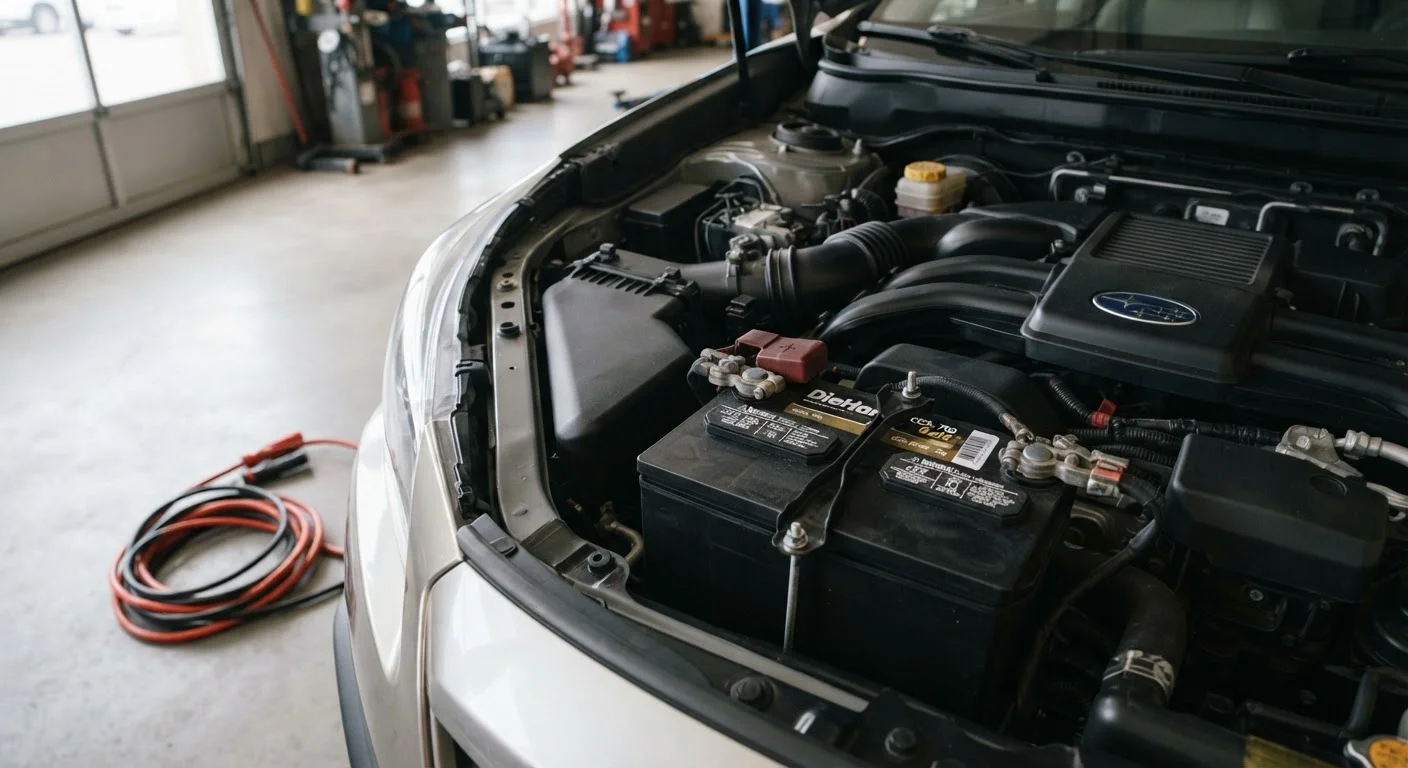
- Battery / Charging System: The alternator may not be charging. Reduce electrical load (turn off AC, radio) and drive directly to a mechanic if the vehicle is still running. Stopping may mean you cannot restart.
- Brake System Warning: Could indicate low brake fluid, a leak, or a fault in the ABS or brake circuit. Test brake pedal feel; if it feels soft or sinks to the floor, do not drive - call for assistance.
- Power Steering: Loss of power assist makes steering significantly harder, especially at low speeds. Pull over carefully.
Amber Lights: Attention Required Soon
Amber lights rarely require an immediate stop, but ignoring them typically turns a modest repair into a large one. Aim to have the vehicle diagnosed within a few days.
- Check Engine (engine silhouette): One of the most misunderstood lights. A steady amber glow usually means an emissions-related fault; a flashing light indicates active misfiring - reduce speed and load and seek service promptly. A diagnostic scan (often free at auto-parts retailers) reads the fault code and narrows down the cause.
- Tyre Pressure (TPMS - exclamation point in a tyre cross-section): One or more tyres is 25% or more below the recommended pressure. Check and inflate all four tyres. The pre-drive tyre check guide explains how to read placard pressures.
- Transmission Temperature: Transmission fluid is overheating, often from towing or stop-and-go traffic. Reduce load, allow the vehicle to idle, and have fluid levels and condition checked.
- Low Fuel: Consistently running near empty can stress the fuel pump, which relies on fuel for cooling.
- Service Due / Maintenance Reminder: Mileage or time-based service is approaching. Review your car's maintenance schedule to understand what's actually due.
Green and Blue Lights: Informational
These lights confirm a system is active - not that something is wrong.
- High Beams (blue beam icon): High-beam headlights are on.
- Cruise Control (speedometer with arrow): Cruise control is engaged.
- Turn Signal (arrow): Blinker is active. A rapid flash often means a bulb has failed.
- AWD/4WD Engaged: Four-wheel or all-wheel drive is active.
Seasonal conditions affect many of these systems. Our seasonal car check guide explains how cold weather affects battery voltage and tyre pressure readings - two of the most common triggers for amber warning lights in winter months.
For a broader understanding of how warning lights fit into overall vehicle care, the complete guide to smarter motoring puts these habits in context.
This article is for general informational purposes only. Always consult a qualified mechanic for diagnosis and repair of any vehicle warning light. Refer to your owner's manual for symbol definitions specific to your vehicle.