Why Car Cost Myths Are So Financially Dangerous
Buying a car is often the second-largest financial commitment a household makes, yet most drivers build their budgets around a handful of persistent myths. These aren't harmless misunderstandings - they translate directly into budget blowouts: maxed-out credit cards after a surprise repair, insurance shortfalls, or realizing mid-year that ownership costs are consuming 20% or more of take-home pay.
The full picture of what a vehicle costs - fuel, insurance, maintenance, depreciation, tires, registration, and unexpected repairs - is rarely visible at the point of purchase. Our piece on the true annual cost of car ownership breaks down every category. Here, we focus specifically on the myths that cause drivers to leave those costs out of their planning entirely.
Myth
A new car will always be cheaper to maintain than a used one.
Fact
New cars carry higher depreciation and insurance costs that often outweigh any savings on maintenance during the early years.
New vehicles do benefit from manufacturer warranties and typically need fewer repairs in the first few years. But the total cost calculation is more complex. New cars lose a significant portion of their value in the first 12 to 24 months - commonly estimated at 15-25% in the first year alone - while insurance premiums are also higher on newer, more expensive vehicles. A well-maintained used car with a clean history can cost considerably less to own over a comparable period. For a direct comparison, see how total costs compare across new and used vehicles.
Myth
If I can afford the monthly payment, I can afford the car.
Fact
The monthly loan payment typically covers less than half of what a vehicle actually costs to operate each month.
Lenders qualify buyers on loan repayment ability - not total ownership cost. When you add fuel, insurance, routine maintenance, registration, and set aside reserves for tires and unexpected repairs, the real monthly cost of ownership is substantially higher than the payment figure. Industry estimates consistently place total annual ownership costs for a mid-size sedan well above $10,000 when all categories are included. Budgeting only for the loan payment is one of the most reliable paths to financial strain.
Myth
Skipping oil changes and minor services saves money if the car seems to be running fine.
Fact
Deferred maintenance accelerates component wear and typically results in repair bills that far exceed the cost of the skipped services.
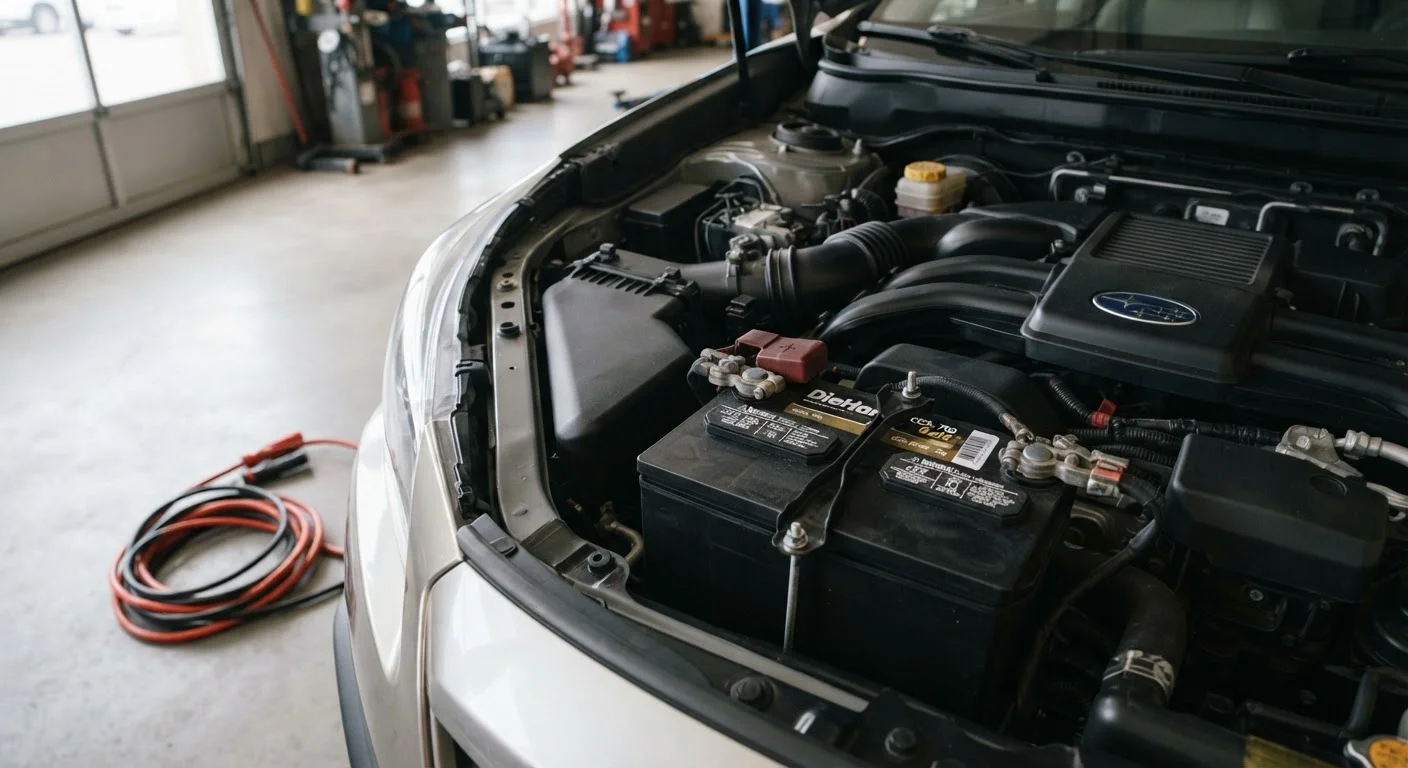
Engines running on degraded oil experience accelerated wear on bearings, pistons, and seals. A skipped $80 oil change doesn't disappear from the ledger - it often reappears as a $1,500-$4,000 engine repair or premature replacement. The same applies to brake fluid flushes, transmission services, and coolant changes. Manufacturers publish service intervals for engineering reasons, not upselling. Staying current on the recommended maintenance schedule is one of the highest-return financial habits a driver can build.
Myth
Comprehensive insurance is a waste of money on an older car.
Fact
Whether comprehensive coverage makes financial sense depends on the vehicle's actual replacement value, your savings buffer, and local risk factors - not age alone.
The argument to drop comprehensive on older vehicles assumes you could absorb the full replacement cost out of pocket if the car were stolen, flooded, or totaled by a falling tree. For drivers without that cushion, even a modest payout matters. Conversely, paying $600-$900 per year in comprehensive premiums on a vehicle worth $3,000 may genuinely not pencil out. The right answer is specific to your financial position - not a blanket rule based on model year.
Myth
Fuel is the biggest ongoing cost of owning a car.
Fact
Depreciation is typically the single largest annual cost for most vehicle owners, often exceeding fuel by a wide margin.
Fuel costs are visible and frequent, which makes them feel significant. Depreciation is invisible month-to-month but relentless. A vehicle that loses $4,000-$6,000 in value per year is costing its owner far more through depreciation than most drivers spend at the pump. Insurance is frequently the second-largest category. Understanding this hierarchy matters because it shifts where cost-reduction efforts are most effective - the vehicle purchase decision itself has more leverage than driving habits alone.
The Ownership Costs Most Drivers Never See Coming
Even drivers who research thoroughly before buying tend to miss a layer of costs that accumulate quietly throughout the year. Registration renewals, roadside assistance memberships, parking, toll charges, and car washes may each seem trivial, but together they can add several hundred dollars annually. Our guide to hidden ownership costs most buyers overlook covers these in detail.
Don't Confuse Financing Approval With Affordability
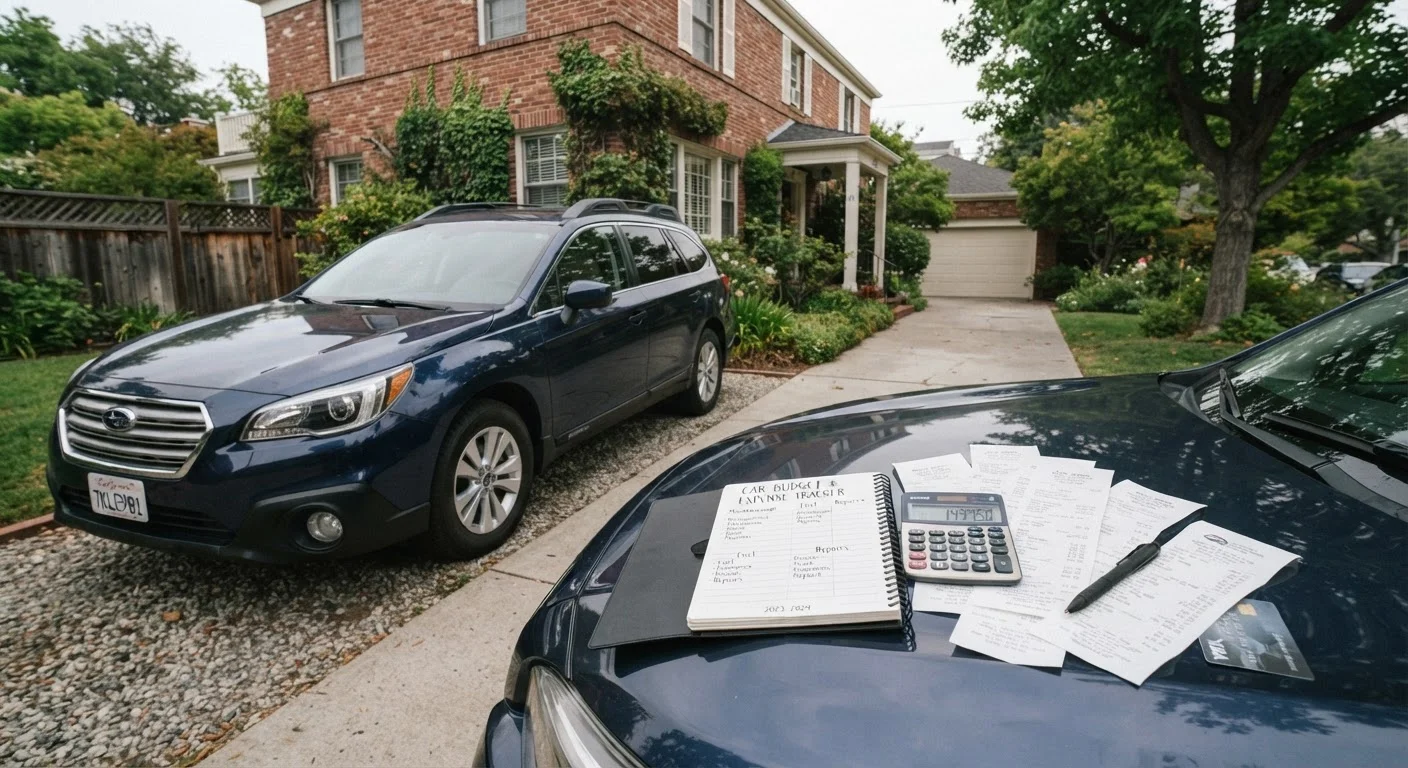
Being approved for a car loan confirms you meet a lender's credit criteria - it does not confirm the vehicle fits your overall budget. Always calculate the full monthly ownership cost (loan payment + insurance + fuel estimate + maintenance reserve) before committing to a purchase. A useful rule of thumb: total transportation costs should generally not exceed 15-20% of take-home pay, though this varies by individual circumstances.
Tire expenses are another category that consistently blindsides drivers. Replacement sets, alignment, rotation, and valve services add up faster than most expect - especially on vehicles with performance or run-flat tires. The full breakdown of tire-related expenses is worth reviewing before you buy.
If you're building an ownership budget from scratch, the practical starting point for new car owners provides a structured framework. And for drivers who already own a vehicle, where car owners most commonly overspend identifies the patterns worth auditing first.
$12,000+
Estimated average annual vehicle ownership cost (AAA)
AAA's annual 'Your Driving Costs' study consistently estimates that owning and operating a new vehicle costs the average American driver over $12,000 per year when all categories are included.
15-25%
Typical first-year depreciation on a new vehicle
Industry data from automotive valuation services suggests new vehicles commonly lose between 15% and 25% of their purchase value within the first 12 months of ownership.
40%
Share of drivers with no car repair emergency fund
Surveys of US household finances suggest a substantial portion of drivers have no dedicated reserve for unexpected vehicle repairs, leaving them reliant on credit when breakdowns occur.