The Case for DIY Plumbing - Within Limits
Plumbing has an intimidating reputation, but a meaningful slice of common household plumbing problems are genuinely approachable for a careful, prepared homeowner. The key is understanding exactly where that approachable zone ends - because the consequences of misjudging it range from a wet cabinet to a mold-damaged subfloor to a voided insurance claim.
Before picking up a wrench, it helps to do a clear-eyed job assessment. See our guide to assessing a repair before you start for the questions worth asking first. The repairs covered below are organized by risk level, not difficulty - some easy-looking jobs carry hidden hazards.
Repairs That Are Generally Safe to DIY
The following tasks share a common trait: they're confined to accessible, visible fittings and involve only the supply side of your plumbing - meaning water that hasn't yet entered the drain system and can be stopped completely by closing a shutoff valve.
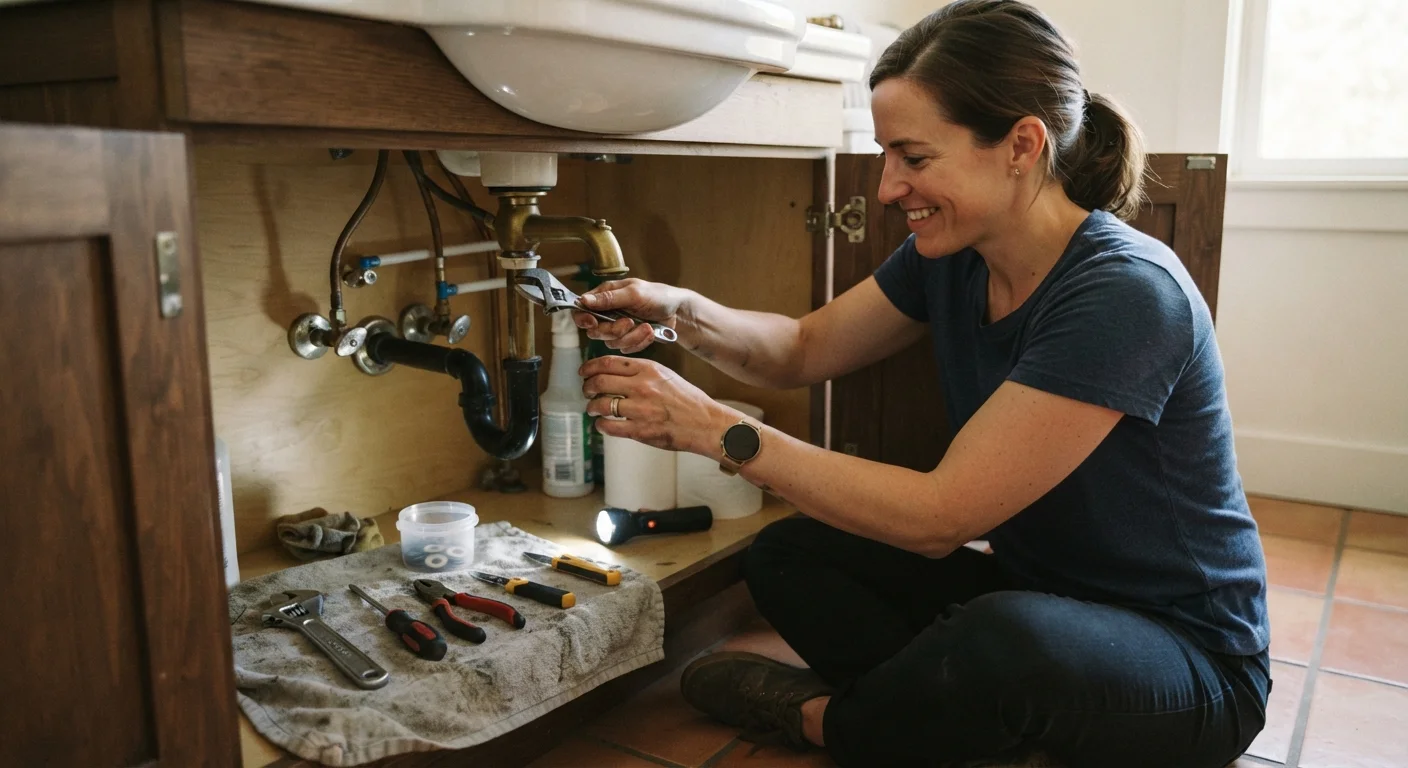
- Replacing a faucet washer or cartridge. A dripping faucet almost always comes down to a worn washer, O-ring, or cartridge. Shut off the supply valve under the sink, disassemble the handle, swap the part, and reassemble. No soldering required.
- Fixing a running toilet. The fill valve, flapper, or float arm are the usual culprits. All are inexpensive, available at hardware stores, and replaceable without special tools.
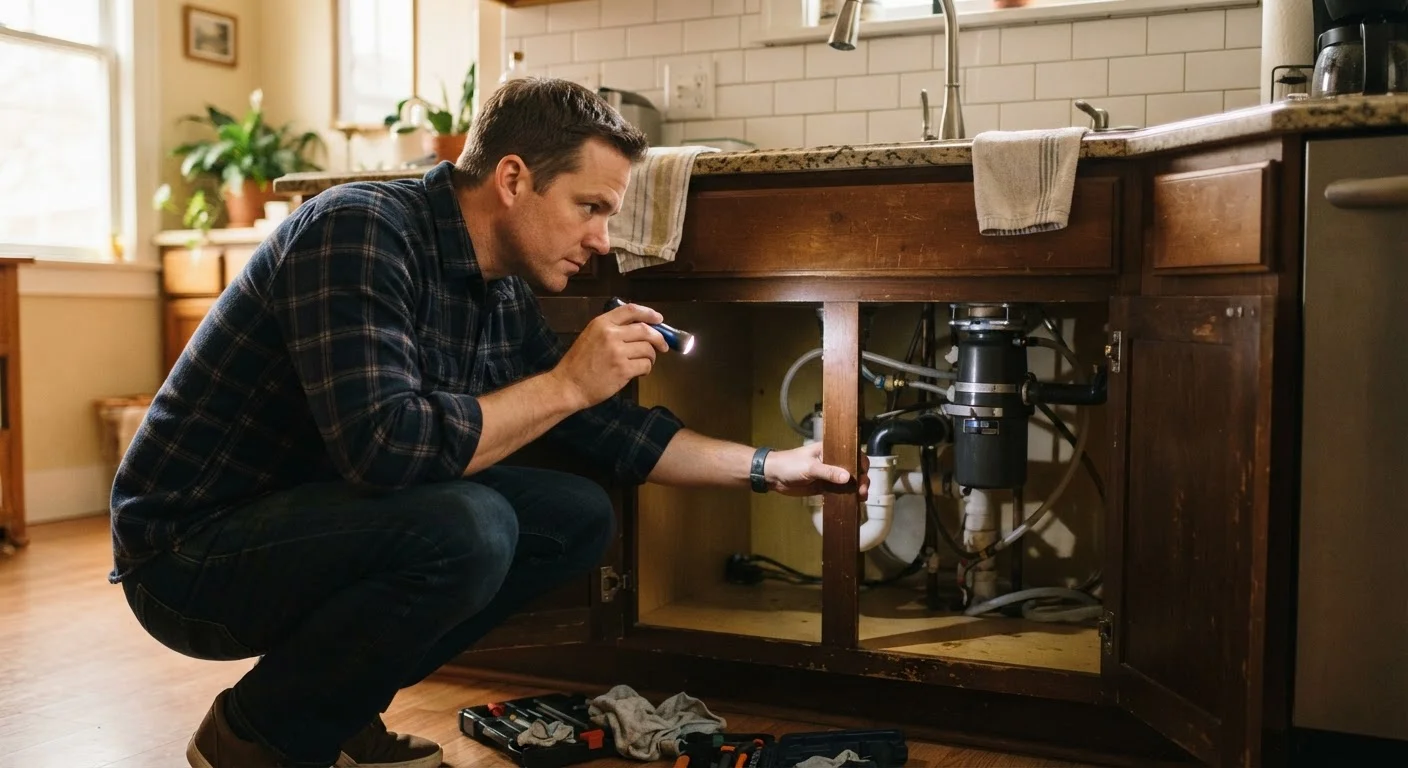
- Clearing a clogged drain. A sink or tub drain blocked by hair and soap scum can usually be cleared with a drain snake or a disassembled P-trap (the curved pipe under the sink). Keep a bucket handy.
- Replacing a showerhead or faucet aerator. These are threaded connections - unscrew the old one, wrap the threads with plumber's tape, screw on the new one. Most homeowners complete this in under 15 minutes.
- Swapping out a toilet fill valve or flapper. Kits are widely available, and the repair requires only turning off the water supply and draining the tank.
For any of these tasks, safe working habits - like always testing your shutoff valve before starting and keeping your workspace dry - dramatically reduce the chance of a simple job turning messy.
Repairs That Belong to a Licensed Plumber
Some plumbing work looks deceptively similar to the tasks above but involves systems where errors cause serious, expensive damage - or pose health and safety risks that go beyond a wet floor.
Beyond the technical hazards, many of these repairs require permits in most U.S. jurisdictions. Unpermitted work can affect your homeowner's insurance coverage and complicate a future sale. See our article on home repairs that require a permit for a fuller picture of when local approval is typically needed.
It's also worth remembering that a convincing-looking patch isn't always a safe one. Temporary fixes can quietly become permanent problems - especially with slow leaks hidden behind walls or under slabs.
How to Make the Call with Confidence
A useful mental model: if the repair requires you to cut into a wall, work on the main supply line, touch anything connected to gas, or access the drain-waste-vent stack, call a plumber. If it involves only a shutoff valve, a threaded fitting, or a tank component - and you can clearly see everything you're working on - it's likely within DIY range.
Before any call to a tradesperson, run through a pre-check. You may discover the fix is simpler than expected, or you'll be able to describe the problem precisely, which can save diagnostic time and cost. Our pre-check list for calling a tradesperson walks through exactly what to look for.
Handling routine maintenance yourself - when it's genuinely safe - can reduce the frequency of service calls and help you catch small issues before they grow. That's a real benefit for households watching utility and upkeep costs; for more strategies, see our guide to saving on household bills.