Why Temporary Fixes Feel Like Solutions
There's nothing wrong with a temporary fix done intentionally - buying time while you schedule a proper repair is a reasonable strategy. The problem starts when a quick patch gets mentally filed as "done" and is never revisited. Weeks become months, months become years, and by then the underlying issue has quietly grown into something far more expensive to address.
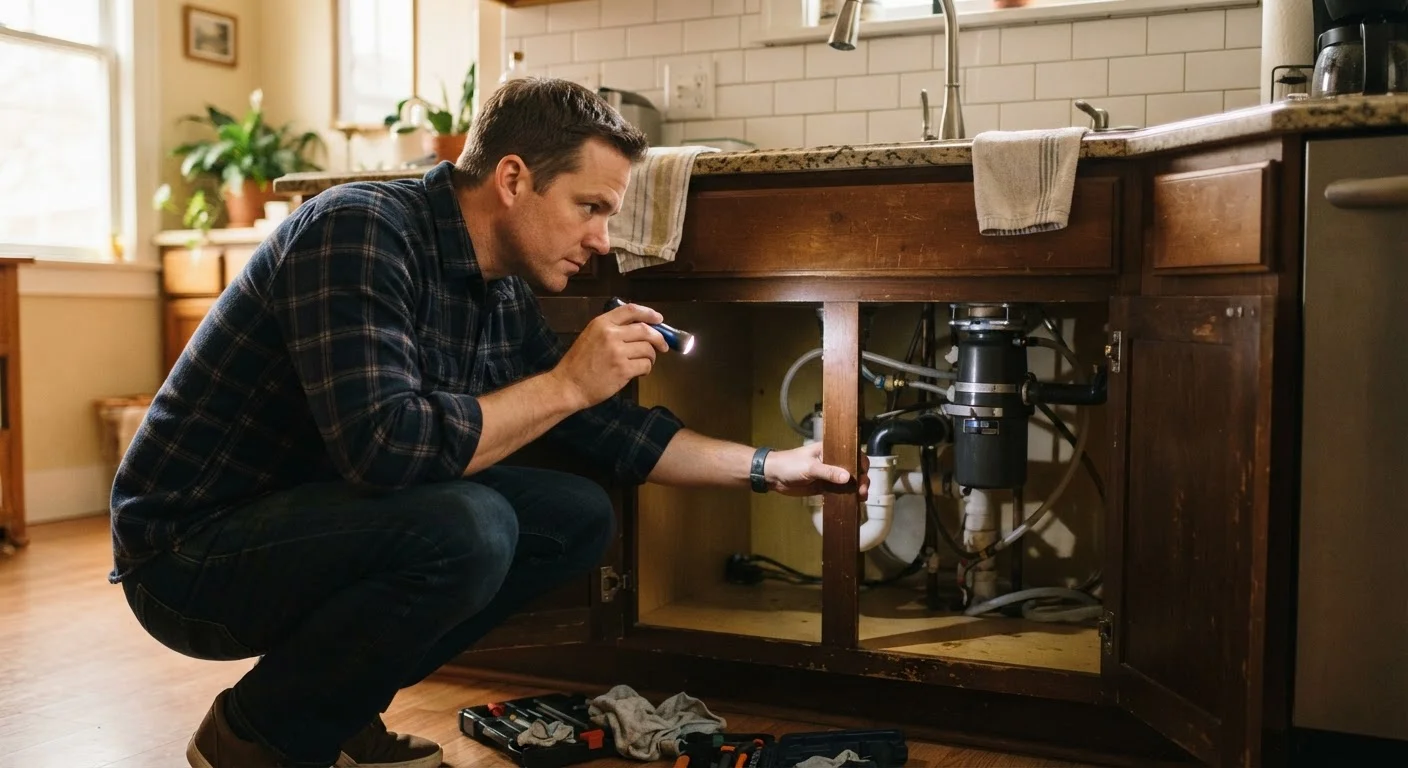
Homeowners who fall into this pattern aren't careless - they're busy. A drip gets wrapped, a crack gets painted over, a door gets shimmed. Life moves on. But the house doesn't forget. Understanding which shortcuts carry real long-term risk is the first step toward breaking the cycle. As you read through the mistakes below, keep in mind that safe working habits apply whether you're doing a permanent repair or a temporary one.
The Most Costly Temporary-Fix Mistakes
The following errors are among the most common - and consequential - that homeowners make when a quick solution outlives its welcome.
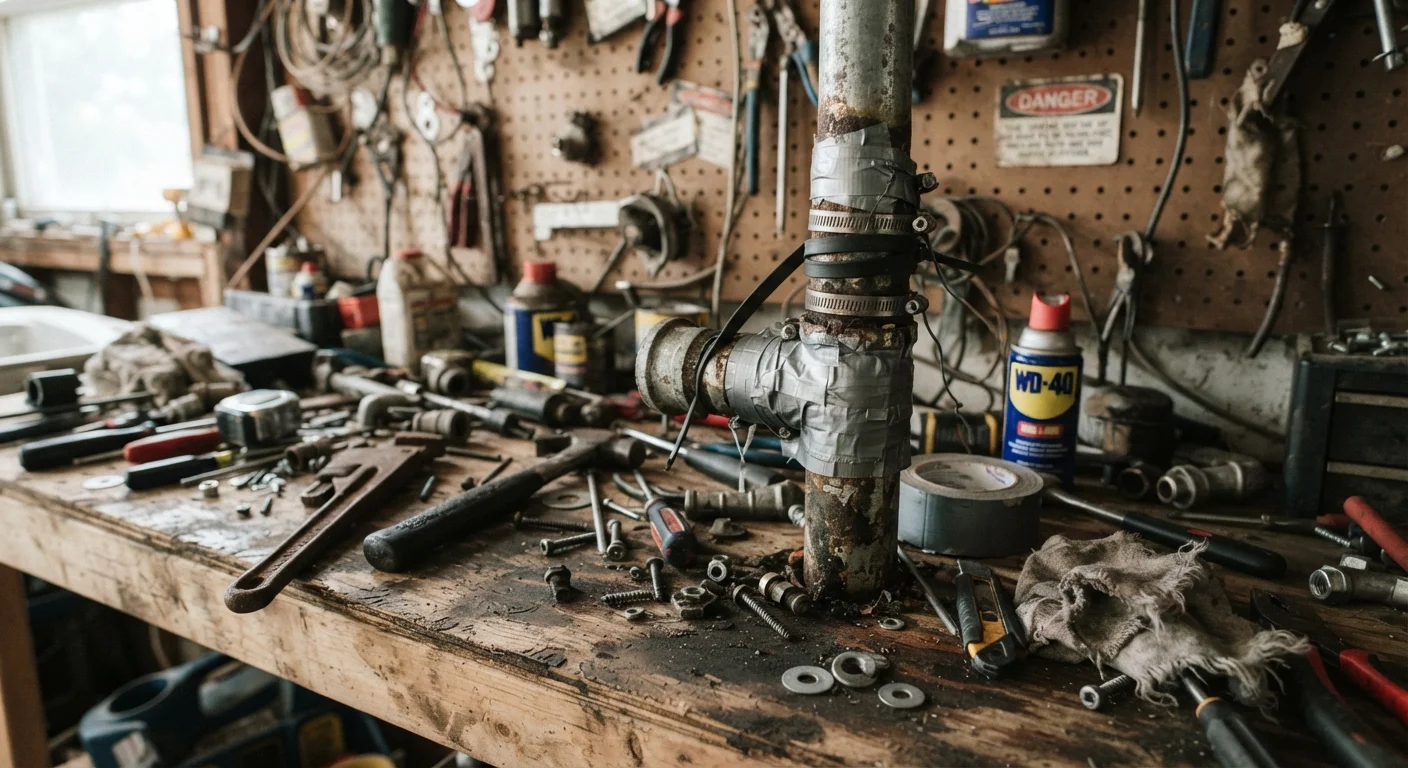
Using duct tape or pipe wrap on a leaking water line as a multi-month solution.
Why it happens: Duct tape works instantly and feels decisive. Many homeowners aren't sure whether the pipe repair is a DIY job or requires a plumber, so the tape buys time - then gets forgotten.
Caulking or painting over a wall crack without addressing the cause of movement.
Why it happens: Surface cracks look fixable with a tube of caulk, and the result looks clean immediately. Homeowners often assume small cracks are cosmetic and skip investigating whether they signal settling or moisture intrusion.
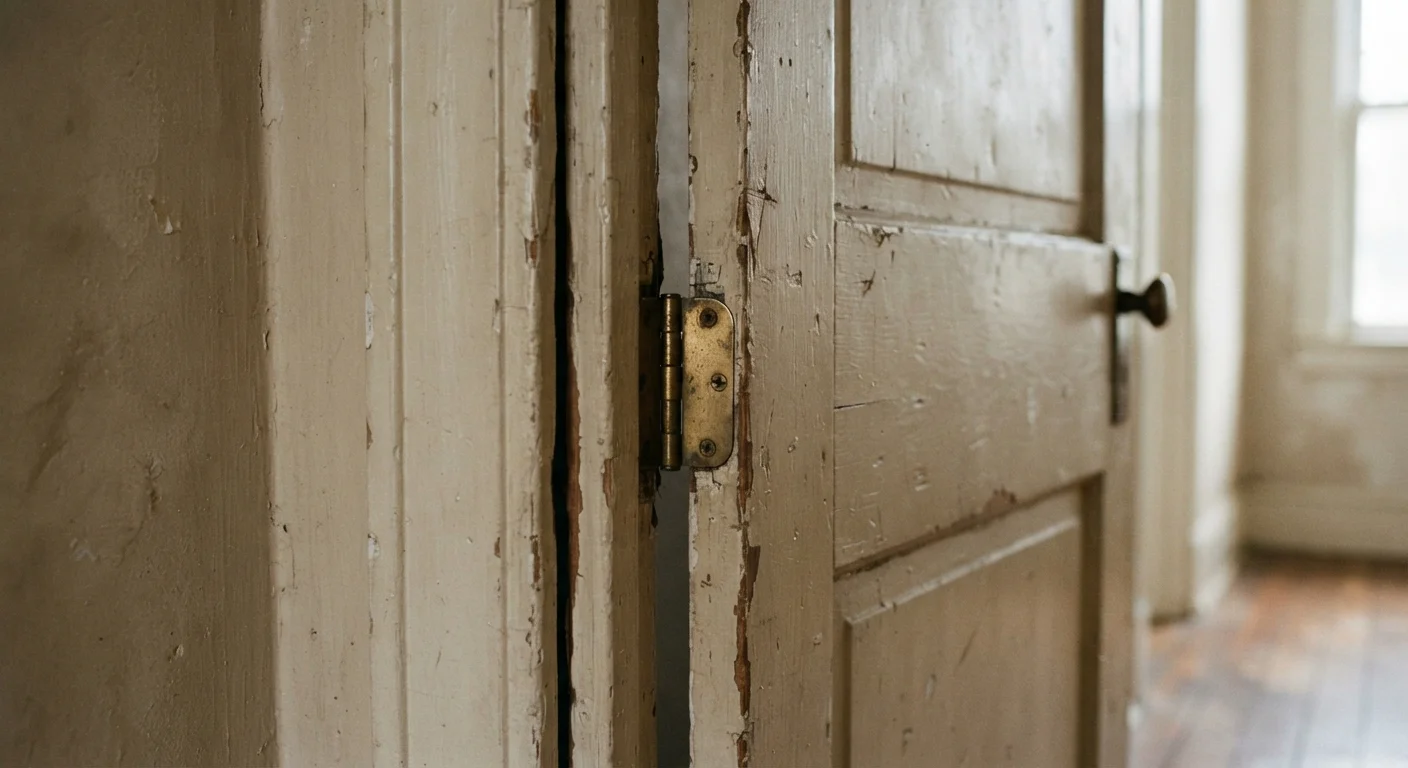
Shimming or re-hanging a door repeatedly instead of addressing frame or foundation issues.
Why it happens: Adjusting hinges and adding shims is a quick weekend task. Because it restores function temporarily, it's easy to treat it as the fix rather than a symptom management step.
Covering a wet or moldy area with fresh drywall, paint, or flooring without drying and treating the source.
Why it happens: Visible damage feels urgent to conceal, especially before a gathering or listing the home. Homeowners underestimate how quickly mold re-establishes behind new materials when moisture remains.
Using expanding foam to seal significant gaps in exterior walls as a permanent air barrier.
Why it happens: Expanding foam is widely available, easy to apply, and works well for small penetrations. Homeowners often apply it to larger gaps where it isn't appropriate, assuming more coverage equals more protection.
Know When a Patch Crosses a Safety Line
Some repairs should never be left in temporary status - particularly anything involving electrical panels, gas fittings, load-bearing structures, or roofing that is actively leaking into the home interior. If your temporary fix is in one of these categories and more than a few days have passed, contact a licensed professional rather than reinforcing the patch. Permits and inspections exist for good reason and are required in most jurisdictions for this type of work.
If any repair involves electrical wiring, gas lines, structural elements, or load-bearing components, stop and contact a licensed professional. These are not areas where iterative patching is appropriate, regardless of how manageable the problem appears. Check local permit requirements before beginning any significant repair work.
How Deferred Repairs Affect More Than the Damaged Spot
One of the most underappreciated consequences of a long-running temporary fix is how it affects adjacent systems. A slow roof leak doesn't just damage the one rafter it touches - over time it can compromise insulation, introduce mold into wall cavities, and eventually reach subfloor materials. What might have been a straightforward shingle repair becomes a multi-trade remediation job.
~40%
Of home water damage linked to slow, undetected leaks
Insurance industry estimates suggest a significant share of residential water damage claims originate from slow leaks that were present long before causing visible damage.
3-5×
Cost multiplier for mold remediation vs. early moisture repair
Home inspection and remediation professionals generally note that addressing water intrusion before mold establishes is substantially less costly than full remediation after the fact.
The same principle applies to deferred fixes on doors and trim. A door that sticks because of a foundation shift isn't just inconvenient - it's signaling movement that, left unaddressed, affects framing, window alignment, and weatherproofing. Before reaching for the hand plane, it's worth diagnosing the root cause systematically. Similarly, these patterns of deferred maintenance are well documented among the decisions that quietly erode home equity over time.
When you're weighing whether to patch again or commit to a real fix, a structured approach helps. The repair vs. replace framework gives you a practical way to think through remaining lifespan and true cost before deciding.