What Separation Anxiety Actually Is
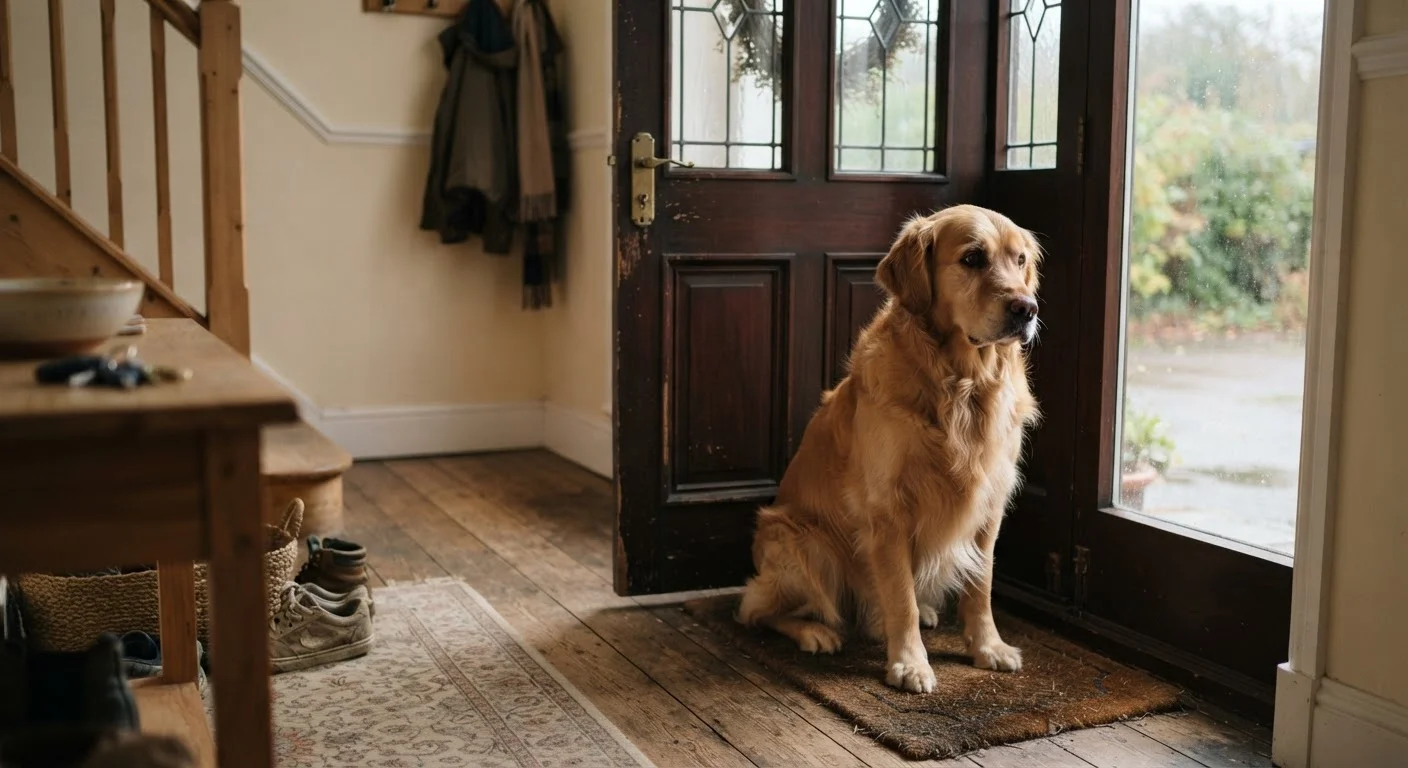
Separation anxiety is a behavioural condition in which a dog experiences significant distress when left alone or separated from a primary attachment figure. It is not a training failure or a sign that a dog is "spoiled" - it reflects a genuine panic response rooted in the dog's social biology.
Dogs are highly social animals that evolved in group contexts. For many individuals, extended isolation triggers a stress cascade involving elevated cortisol, increased heart rate, and distress vocalisations - responses more comparable to a phobia than to a bad habit. Understanding this distinction matters, because punishing anxiety-driven behaviour almost always makes the condition worse.
Separation anxiety exists on a spectrum. Mild cases may involve restlessness and whining for 15-20 minutes after departure. Severe cases can include self-injury, prolonged howling, and destruction over hours. Isolation distress - a related but distinct condition - occurs when a dog is distressed by being alone regardless of which human is present, while true separation anxiety is typically tied to one or two specific individuals.
If you're bringing a new dog home, the first seven days set critical expectations around alone time and routine, making early management especially important.
Common Causes and Risk Factors
No single factor causes separation anxiety, but research points to several consistent contributors:
- Abrupt changes in routine: A sudden shift from constant human presence - such as returning to work after an extended period at home - is a well-documented trigger.
- Rehoming or shelter history: Dogs that have experienced multiple rehomings, abandonment, or long shelter stays show higher rates of separation-related behaviour.
- Insufficient early socialisation: Dogs that weren't gradually exposed to alone time as puppies may find it more threatening as adults. See our guide on socialising dogs at any age for principles that apply beyond puppyhood.
- Traumatic events: A frightening experience during a period of isolation (e.g., a loud thunderstorm) can create a lasting negative association with being left alone.
- Genetic predisposition: Certain breeds selected for close human partnership - including working and herding breeds - may be more prone to attachment-related anxiety.
- Medical conditions: Pain, cognitive dysfunction in senior dogs, or hormonal imbalances can amplify anxious behaviour. This is one reason a veterinary assessment should precede any behavioural programme.
~17%
Dogs estimated to have separation anxiety
Research published in veterinary behaviour journals estimates that 14-20% of dogs presented to veterinary clinics show signs of separation-related behaviour problems.
30 min
Typical window for peak distress onset
Behavioural studies consistently show that anxiety-driven responses in dogs with separation anxiety most commonly peak within the first 30 minutes after owner departure.
2x
Improvement rate when medication combined with training
Veterinary behaviour literature suggests combining approved pharmacological treatment with systematic desensitisation yields substantially better outcomes than either approach alone.
Recognising the Signs
Many owners are unaware of how their dog behaves once the door closes. The most reliable way to assess separation behaviour is to record your dog using a phone or tablet placed in a visible area of the home.
Common signs of separation anxiety include:
- Destructive behaviour focused near exits (doors, windows, crates)
- Inappropriate urination or defecation in a house-trained dog
- Excessive barking, howling, or whining that begins shortly after departure
- Pacing, circling, or inability to settle
- Drooling, panting, or salivation beyond what heat or exercise would explain
- Self-directed behaviours such as excessive licking or chewing
- Attempts to escape confinement, sometimes resulting in broken teeth or injured paws
A key diagnostic feature is timing: anxiety-driven behaviours typically peak within the first 30 minutes of an owner's absence. If destruction or soiling happens hours later, boredom or insufficient exercise may be larger contributors - though both issues can coexist. For more on distinguishing behavioural signals, consider reading about how dogs hide discomfort, since pain can mimic or amplify anxiety-related behaviour.
Set up a phone or tablet to record your dog immediately after you leave - even a 30-minute clip from the first departure of the day reveals far more than owner reports alone.
Owners frequently underestimate the severity of their dog's distress because the behaviour resolves before they return. Video evidence helps behaviourists and veterinarians make an accurate assessment quickly.
Keep departures and arrivals low-key: avoid prolonged goodbyes or effusive greetings, as these heighten the contrast between your presence and absence.
Research on canine attachment suggests that highly animated interactions at transitions increase arousal at the very moments when a calm baseline is most helpful for learning.
Evidence-Based Management Approaches
Effective management of separation anxiety combines behavioural modification with environmental adjustment, and in some cases, veterinary support. There is no quick fix - most programmes require weeks of consistent work.
Graduated Departure Training
The most evidence-supported approach is systematic desensitisation to departure cues. This involves exposing the dog to pre-departure routines (picking up keys, putting on shoes) without actually leaving, then progressing to absences of seconds, then minutes, then longer periods - always staying below the threshold at which anxiety is triggered. The dog learns that departures predict a neutral or positive outcome rather than distress.
Environmental Enrichment
Providing appropriate mental and physical outlets before departures reduces baseline arousal. Puzzle feeders, food-dispensing toys, and appropriate chew items can redirect focus and extend calm settling. Our article on enrichment strategies that reduce problem behaviours covers practical options suited to indoor settings.
Crate Training Considerations
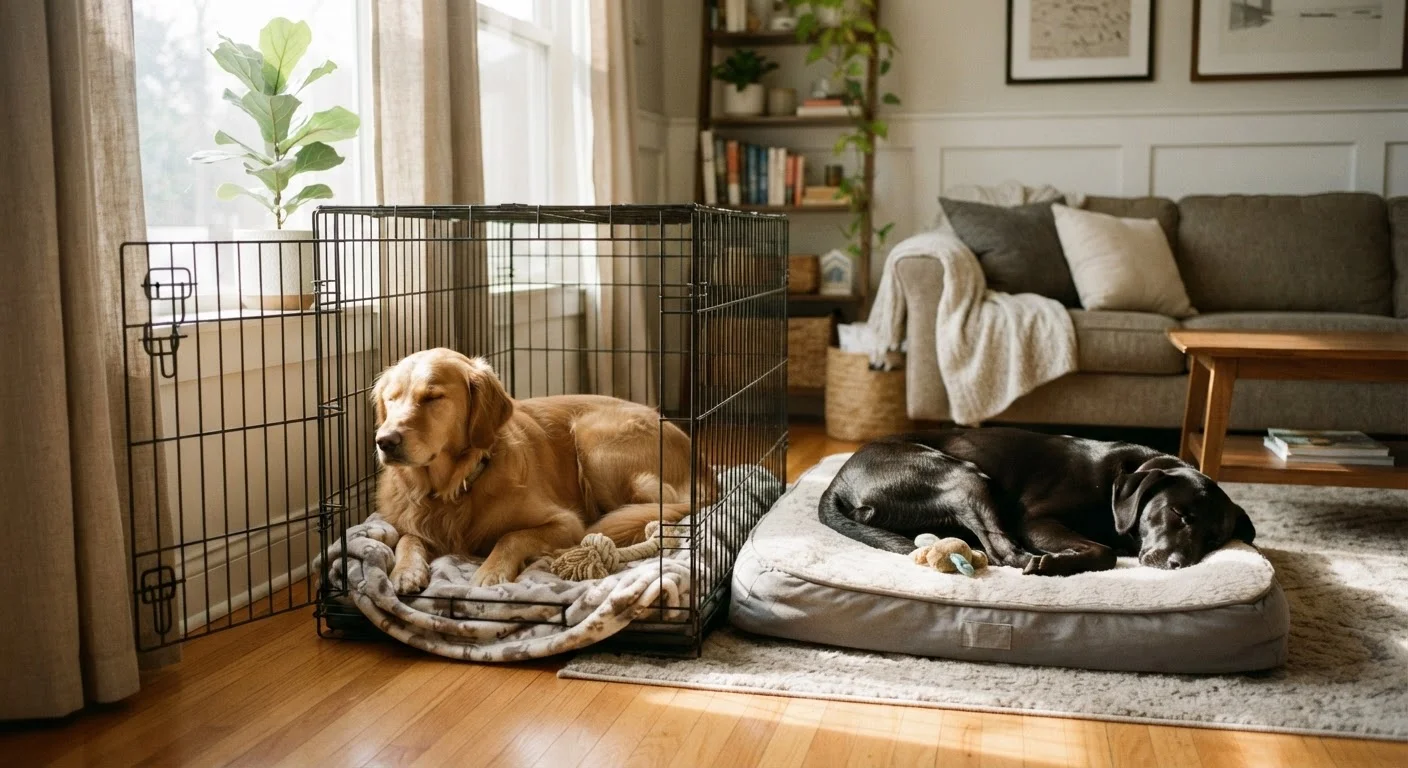
Crates help some dogs feel secure, but for dogs with moderate-to-severe separation anxiety, confinement often escalates distress. Whether to use a crate should be determined by careful observation of the individual dog's response - not as a default management tool.
Avoiding Punishment
Scolding, physical correction, or punitive devices do not address the underlying fear and consistently worsen anxiety-related outcomes in the research literature. Calm, predictable owner behaviour tends to be more stabilising than dramatic greetings or departures.
When to Involve a Veterinarian or Behaviourist
Separation anxiety that causes self-injury, significant household destruction, or persistent distress warrants professional involvement - ideally both a veterinarian and a certified applied animal behaviourist (CAAB) or a veterinary behaviourist (DACVB).
Veterinarians may consider FDA-approved medications alongside behavioural modification. Two medications - clomipramine and fluoxetine - are specifically approved for canine separation anxiety in the United States. These are not sedatives; they work by reducing the baseline anxiety that makes behavioural training difficult to implement. Decisions about medication should always be made by a licensed veterinarian based on an individual dog's full health picture.
When selecting a behaviourist, look for credentials from recognised bodies such as the International Association of Animal Behavior Consultants (IAABC) or the Certification Council for Professional Dog Trainers (CCPDT). Be cautious of practitioners who rely primarily on aversive tools or who promise rapid resolution of severe anxiety.
Progress takes time. Owners who approach separation anxiety as a manageable, treatable condition - rather than a character flaw in their dog - tend to have more realistic expectations and better long-term outcomes.
This article is for general informational purposes only and does not constitute veterinary or behavioural advice. If your dog is showing signs of separation anxiety, consult a licensed veterinarian or certified animal behaviourist for guidance specific to your pet's needs.