Why Seasonal Checks Get Skipped
Most drivers know they should get an oil change every few thousand miles. Far fewer have a reliable habit around seasonal checks - the targeted inspections that catch problems caused by temperature swings, UV exposure, and road conditions that shift with the calendar.
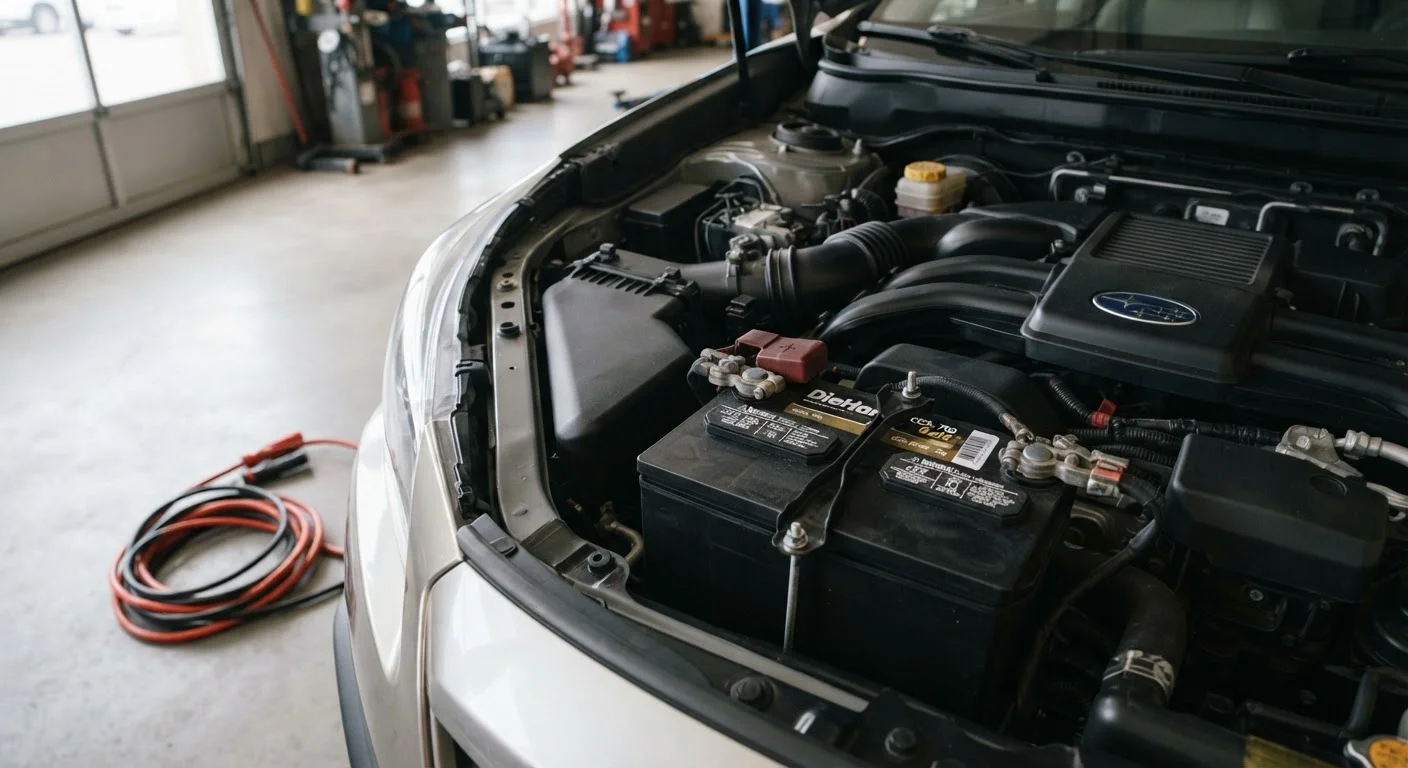
The consequences tend to be disproportionate. A wiper blade that degrades quietly through summer heat fails spectacularly in the first autumn rainstorm. A battery that was marginal in the fall dies on a cold January morning. These aren't freak events - they're predictable patterns that a short seasonal audit can interrupt.
This checklist is designed to take 30 to 60 minutes and requires no special tools for most items. Work through it at each seasonal transition - ideally spring and fall - and flag anything that needs a mechanic's attention before it becomes a roadside problem. For a broader look at recurring costs that seasonal neglect can drive up, see the annual car ownership cost checklist.
Fluids
Battery and Electrical
Tyres and Brakes
Visibility and Cabin
What You'll Need Before You Start
Most of these checks are visual or tactile - no mechanical expertise required. A few items benefit from inexpensive tools that any auto parts store carries. Gather these before you begin so the audit flows without interruption.
Antifreeze / coolant tester
Measures the freeze-point protection of your coolant mixture to confirm it's appropriate for seasonal temperatures.
Tyre pressure gauge
Accurately measures tyre inflation so you can adjust to the manufacturer's specified PSI as temperatures change.
Battery tester or multimeter
Tests resting battery voltage to identify batteries that may fail under cold-weather load.
Tread depth gauge
Provides a precise measurement of remaining tyre tread rather than relying on visual estimation alone.
Flashlight or work light
Helps inspect dark areas of the engine bay, tyre sidewalls, and undercarriage for leaks or damage.
If you're unfamiliar with any of the fluid checks listed below, the fluid checks every car owner can do at home walks through each reservoir in detail, including what normal and abnormal fluid looks like.
Never Check Coolant on a Hot Engine
Opening the coolant reservoir cap or radiator cap while the engine is warm can release pressurized steam and cause serious burns. Always let the engine cool completely - typically at least 30 minutes after driving - before inspecting or topping off coolant. If you're unsure, leave the cap in place and consult a mechanic.
After the Checklist: What to Do With Your Findings
Once you've worked through the list, you'll likely fall into one of three categories: everything checks out, a few items need monitoring, or something needs immediate attention. Be honest about which category applies - deferred maintenance that looks minor has a consistent pattern of becoming major. Where car owners overspend without realising it documents exactly how delayed small fixes compound into large bills.
Items flagged for a mechanic should be addressed before the season is fully underway, not after. If you're also planning extended travel, pair this checklist with the pre-road trip inspection guide for additional checks specific to highway driving. And if your dashboard lit up during the audit, use the dashboard warning lights reference card to identify what each symbol means and how urgently it requires action.
This article is for general informational purposes only. For diagnosis of specific vehicle problems, consult a qualified mechanic.