Why Container Gardening Works (and Where Beginners Go Wrong)
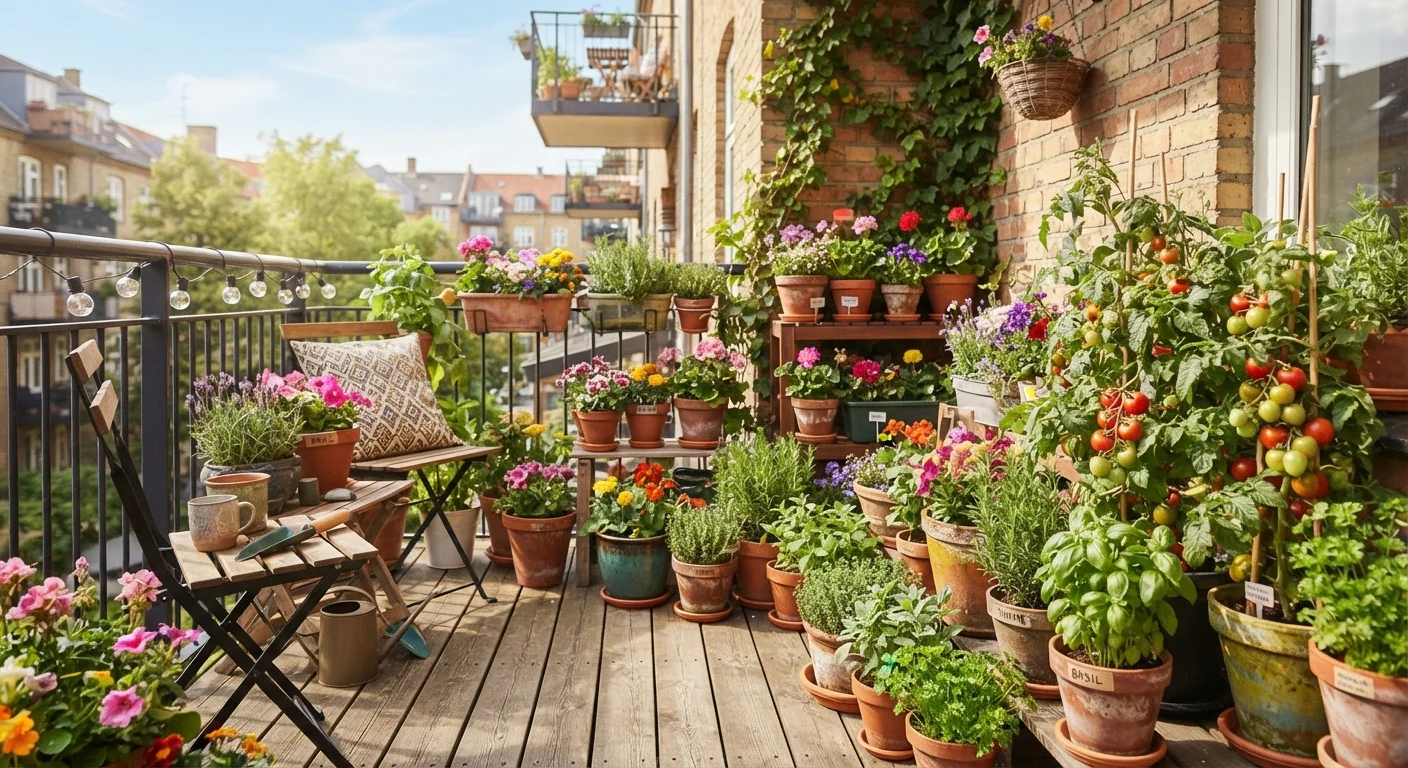
Container gardening is one of the most forgiving ways to start growing plants outdoors. You control the soil quality, you can move pots to chase or avoid sunlight, and you can scale up or down without committing to a full garden bed. It suits patios, balconies, driveways, and small yards equally well.
But beginners often spend money on things they don't need - decorative plant stands, specialty fertilizer blends, elaborate self-watering systems - while skipping the fundamentals that actually determine success. This checklist separates what's genuinely essential from what's a nice-to-have extra.
If you're weighing container gardening against other approaches, our guide to starting a vegetable garden from scratch covers in-ground growing in detail, so you can make an informed comparison. For a lower-effort alternative to lawn coverage, low-maintenance ground covers are also worth exploring.
Containers
Soil and Amendments
Plant Selection
Watering and Feeding
Basic Tools
Tools and Supplies: What You Actually Need
Before spending anything, walk through your garage or storage area. Many of the tools below may already be on hand. The goal is a short, functional supply list - not a full garden center haul.
Hand trowel
Used for scooping potting mix, making planting holes, and turning soil in containers.
Watering can or adjustable hose nozzle
Delivers water gently to avoid displacing soil and damaging young seedlings.
Potting mix
Provides the aerated, well-draining growing medium that container plants require.
Water-soluble fertilizer
Replenishes nutrients that wash out of containers with regular watering.
Perlite
Mixed into dense potting mix to improve drainage and prevent compaction.
Plant labels and marker
Keeps track of what is planted where, especially useful when growing multiple varieties.
One of the most overlooked cost-savers: compost. Working finished compost into your potting mix reduces how much fertilizer you'll need over the season. Our composting guide explains how to get started with kitchen and yard scraps.
On the watering side, container plants dry out faster than in-ground beds - sometimes needing water daily in summer heat. Understanding the underlying principles of when and how to water will save both water and plants. Watering smarter covers those principles in plain language.
Don't Use Garden Soil in Containers
Garden soil - even good quality soil from a raised bed - compacts heavily inside a pot, cutting off air to roots and causing drainage to fail. Always use a mix labeled specifically for containers or potted plants. This is one of the most common and costly beginner mistakes, and it's easily avoided.
Skipping Drainage Holes Will Kill Your Plants
No matter how attractive a pot looks, if it lacks drainage holes, water accumulates at the bottom and roots suffocate within days. Drill holes in any container that doesn't already have them, or use it as a decorative outer sleeve around an inner pot that does drain properly.
Seasonal Planning and Keeping Costs Down
Container gardening costs are front-loaded: pots, potting mix, and starter plants or seeds are the biggest one-time expenses. After that first season, costs drop considerably if you store containers properly, refresh only the top layer of potting mix, and save seeds from annuals where appropriate.
At the end of the growing season, don't just abandon your pots. Emptying, cleaning, and storing them correctly extends their lifespan significantly - especially plastic and terra cotta, which can crack in a freeze. Our winter garden preparation checklist walks through exactly what to do before the first frost arrives.
For broader household budgeting context - including how to fit garden spending into a seasonal home budget - see our home budgeting hub.
Sun Assessment Before You Plant Anything
Many first-time container gardeners buy plants, then discover their patio gets only two to three hours of sun - far too little for tomatoes or peppers. Spend one full day noting when direct sunlight hits your space and for how long before purchasing a single plant. Matching your plant list to your actual light conditions is the single most impactful thing you can do for free.