
Why Room-by-Room Works Better Than a Whole-House Blitz
The instinct to tackle an entire home in a single weekend is understandable, but it reliably leads to burnout. Pulling everything out at once creates chaos in multiple rooms simultaneously, making it harder to make decisions and nearly impossible to finish. A room-by-room approach keeps the scope manageable, lets you celebrate visible progress, and builds momentum that carries you forward.
Each room also has its own category logic. The questions you ask about a spatula are completely different from those you ask about a spare winter coat or an old tax document. Focusing on one space at a time lets you develop a rhythm specific to that room's contents before moving on.
If you're newer to home organization overall, this beginner-friendly guide offers a solid foundation for building momentum from scratch.
Before You Start: The Four-Box Method
Before entering any room, gather four containers - boxes, bags, or laundry baskets work fine. Label them: Keep, Donate/Sell, Trash/Recycle, and Relocate. The Relocate box is for items that belong in a different room; resist the urge to walk them there during your session, which breaks focus.
Work through every item in the space before moving on. The goal is a decision for each object, not perfection in storage. Sorting first, organizing second, is the sequence that actually works.
Sort First, Organize Second
Resist buying any new storage products until after you've sorted a room completely. The number of items you actually keep - not the number you started with - determines what storage you need. Buying bins before sorting almost always means buying the wrong size or too many.
One honest caution: sentimental items - inherited objects, keepsakes, children's artwork - deserve their own separate session. Mixing them into a high-energy purge often leads to regret. Set them aside for a dedicated, calmer review. Our guide on sorting through sentimental clutter without guilt can help when that time comes.
Kitchen and Pantry
The kitchen accumulates clutter in three main areas: countertops, cabinets, and the pantry. Start with countertops - only items used daily should live there. Appliances used weekly or less belong in cabinets.
For cabinets, apply the expired-food rule to pantry items first (a quick win), then evaluate duplicates. Most households hold far more mugs, plastic containers, and baking tools than they use. Match container lids to bases and discard unmatched pieces immediately.
Inside cabinets, vertical space is almost always underused. Stackable risers, tension rods for lids, and drawer dividers are inexpensive fixes that don't require renovation. For deeper strategies, see our guide to maximizing limited cabinet space.
When decluttering kitchen cabinets, pull everything out and place it on the counter before putting anything back. This forced reset reveals duplicates and forgotten items that a piecemeal approach misses entirely.
Items pushed to the back of cabinets become functionally invisible. A full-empty-and-reload process surfaces the real inventory of a space.
Label storage containers on the front face, not the lid - lids get covered by items stacked on top, making labels useless within weeks.
Visible, consistent labeling is what allows household members other than the organizer to maintain a system. Front-face labels work regardless of how items are stacked.
Living Room and Common Areas
Living rooms gather clutter from every household member. Focus on three categories: surfaces, storage furniture interiors (ottomans, console drawers), and cords or electronics.
Clear every flat surface completely, then return only intentional items. A basket designated for items that need to leave the room handles the daily drift without disorder. For homes with multiple adults who have different tidiness standards, shared-space organization strategies can prevent the same items from cycling back endlessly.
Bedrooms and Closets
Clothing is the dominant challenge in bedrooms. A practical standard: if you haven't worn something in a full year and it doesn't fit your current life, it goes in the donate box. The closet works best when organized by category (all pants together, all shirts together) rather than by outfit, making gaps obvious.
Under-bed space is legitimate storage - but only for items retrieved seasonally. Random boxes of forgotten objects just relocate clutter. Use flat, labeled bins and keep a record of what's there.
Dressers and nightstands deserve the same clear-surface discipline as the kitchen. One charging cable, one book, one lamp - surfaces that are nearly empty feel dramatically more restful.
Bathrooms
Bathrooms are typically the fastest rooms to declutter because most items have a clear function and expiration logic. Check dates on medications, sunscreen, and skincare products first - these expire and can degrade in efficacy. Dispose of expired medications properly; many pharmacies and municipal programs offer safe disposal options.
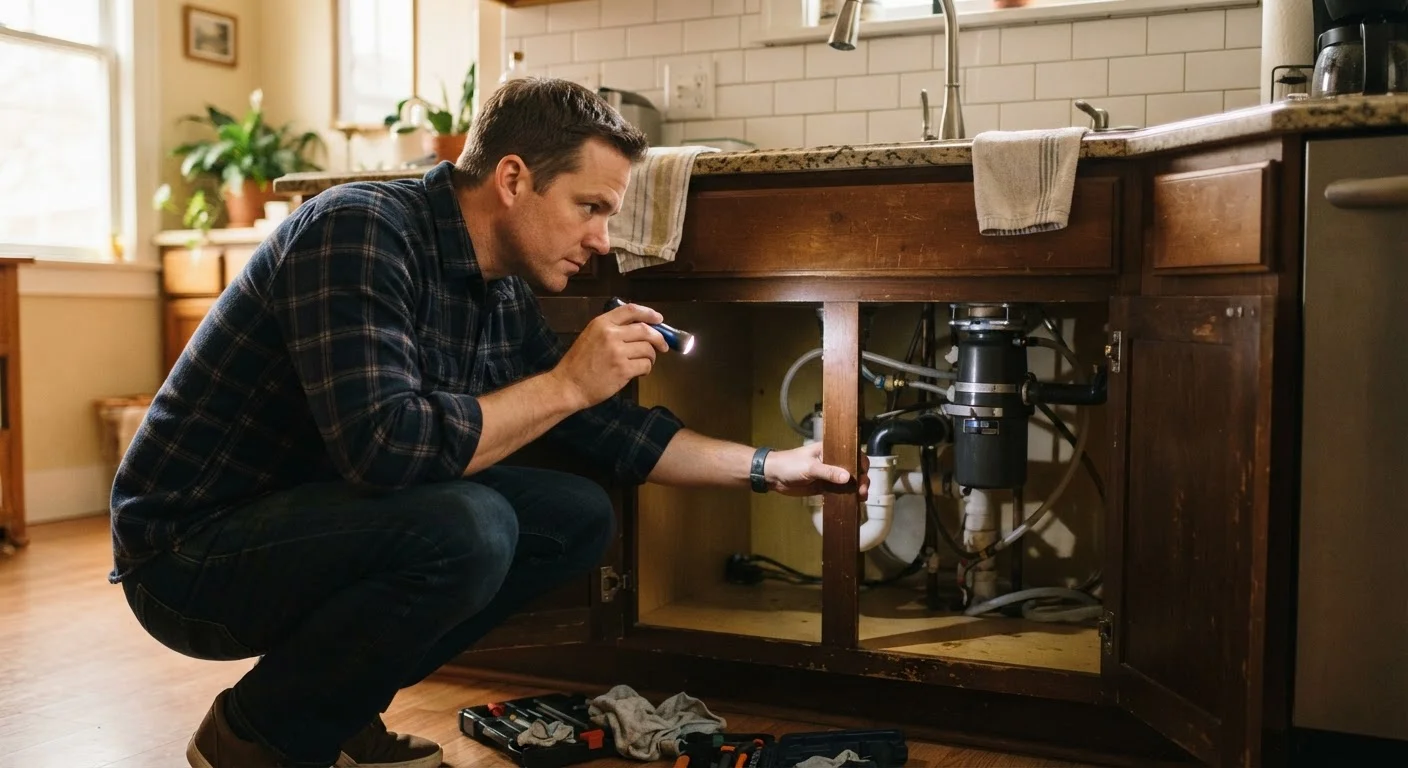
Under-sink cabinets benefit from small bins or drawer organizers that separate categories: hair tools, first aid, cleaning supplies. Avoid overstacking - what's buried gets forgotten and repurchased.
Keep countertops to daily-use items only. Everything else belongs in a drawer or cabinet.
Home Office and Paper Clutter
Paper is one of the most persistent clutter categories in any home. The core problem is that paper arrives daily but rarely leaves on a schedule. A simple inbox tray - processed weekly - handles incoming mail before it migrates to every flat surface.
For filing, think in three categories: Action (needs a response or payment), Reference (may be needed but not regularly), and Archive (tax records, legal documents). Most reference paper can be scanned and stored digitally, reducing physical volume significantly.
Our companion guide on building a realistic paper filing system covers this category in greater depth, including which documents are worth keeping in hard copy.
Garage, Basement, and Storage Spaces
Storage spaces fail when they become the destination for deferred decisions. Before organizing, sort ruthlessly: broken tools, sports gear no one uses, and appliances awaiting a repair that never happens all belong in the donate or trash box.
Zones are the organizing principle that makes garages functional: automotive, lawn and garden, tools, seasonal, sports. Wall-mounted pegboards and open shelving keep frequently used items visible and accessible without requiring you to move everything else to reach them.
For a detailed checklist covering tools, seasonal storage, and vehicles, see our guide to garage organization done right.
Keeping Clutter From Coming Back
A single decluttering session is never a permanent solution - it's a reset. What determines whether the reset holds is the habits that follow. The single most effective habit is the one-in, one-out rule: when something new enters the home, something comparable leaves. This one constraint keeps accumulation in check without requiring periodic purges.
Designate a donation box in a closet or utility room and make it a regular stop. When it fills, it goes. Build a ten-minute end-of-day reset into your routine - returning items to their homes, clearing surfaces, processing the paper inbox.
For a full set of maintenance habits that prevent clutter from rebuilding, explore our maintenance habits guide. If your previous decluttering efforts haven't stuck, this article on common decluttering pitfalls identifies the patterns most likely to be working against you.